Max The Elf Apk Information
| App Name | Max The Elf |
| Version | 5.03 |
| File Size | 550 MB |
| Package ID | com.Catfort.MaxTheElf |
| Category | Action |
| Last Updated | October 24, 2024 |
Embark on a Magical Journey Full of Wonder, Mischief, and Legendary Adventures!
Download Now| App Name | Max The Elf |
| Version | 5.03 |
| File Size | 550 MB |
| Package ID | com.Catfort.MaxTheElf |
| Category | Action |
| Last Updated | October 24, 2024 |
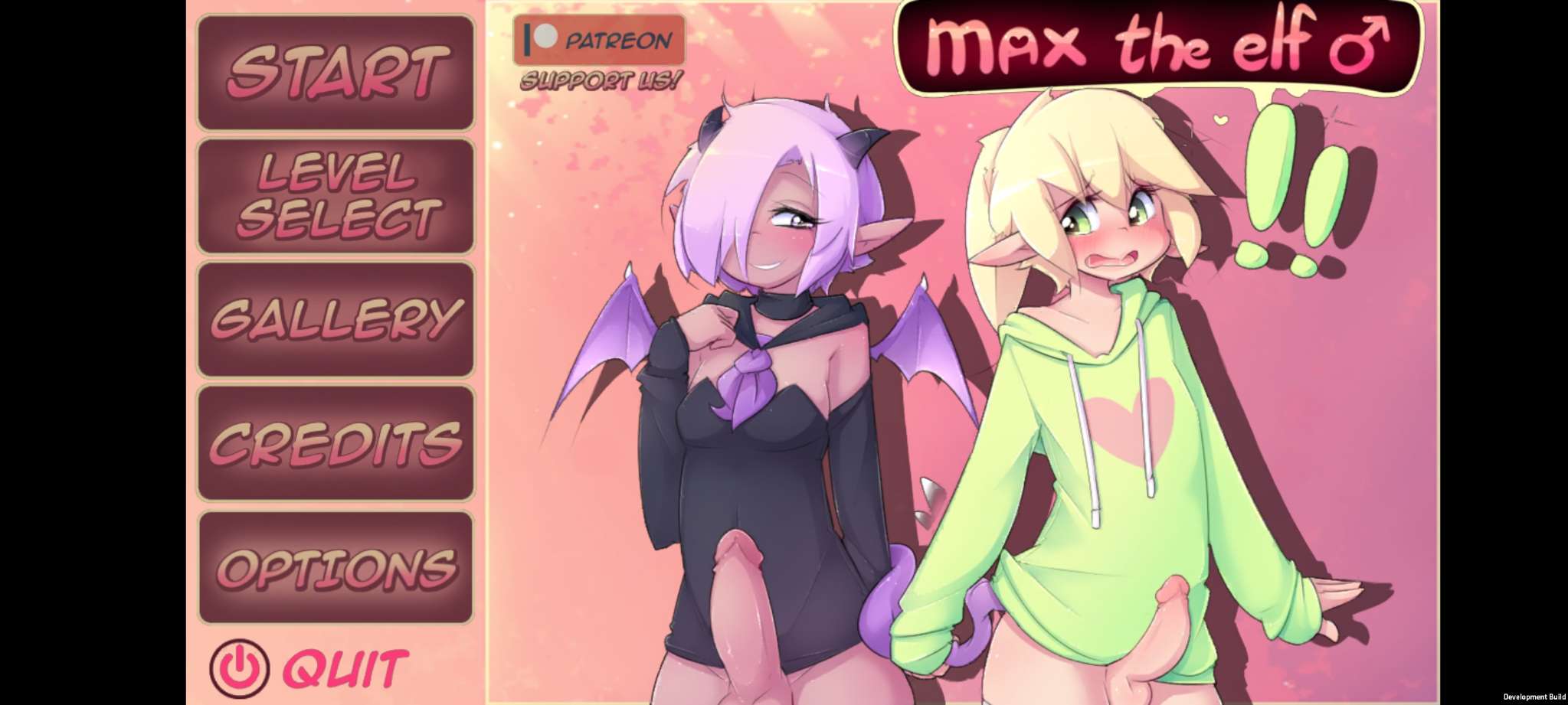
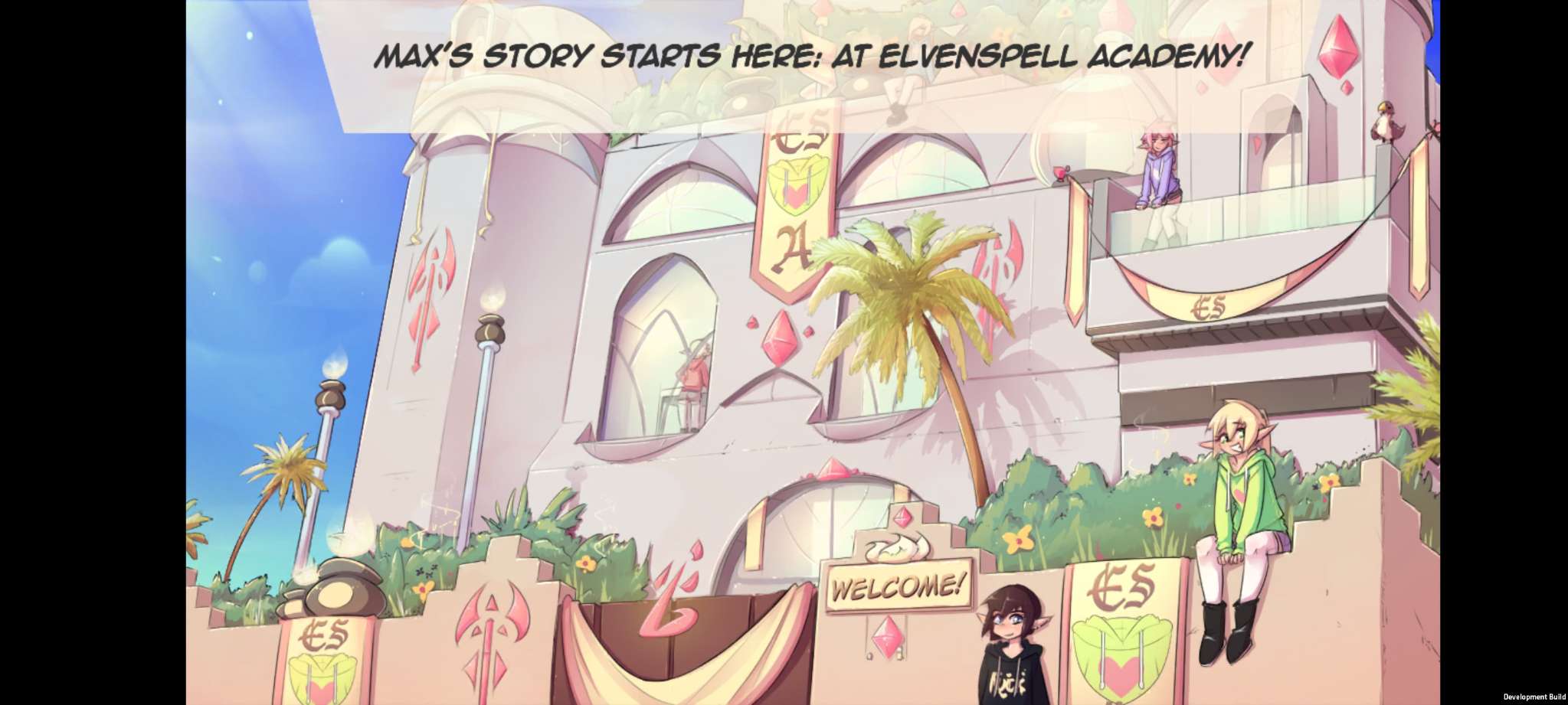
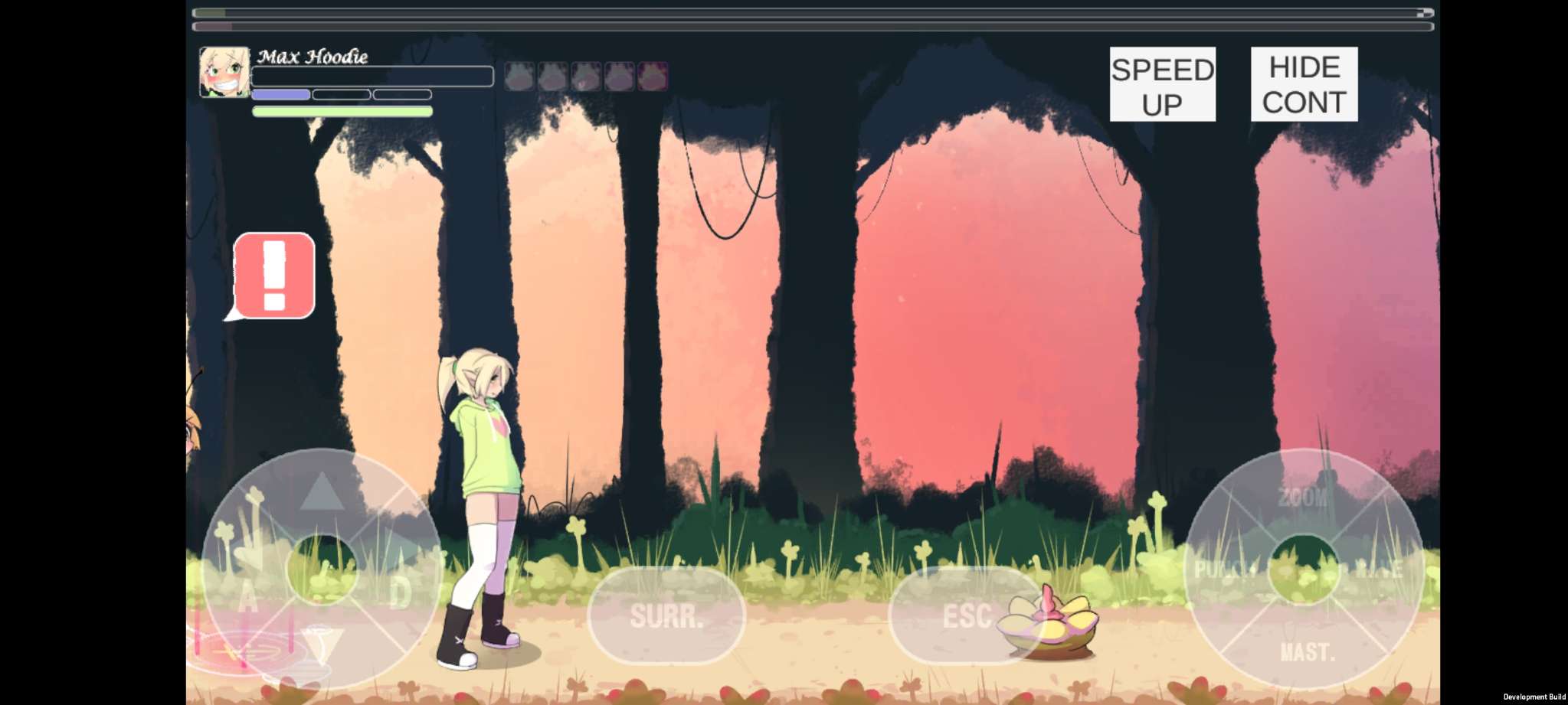
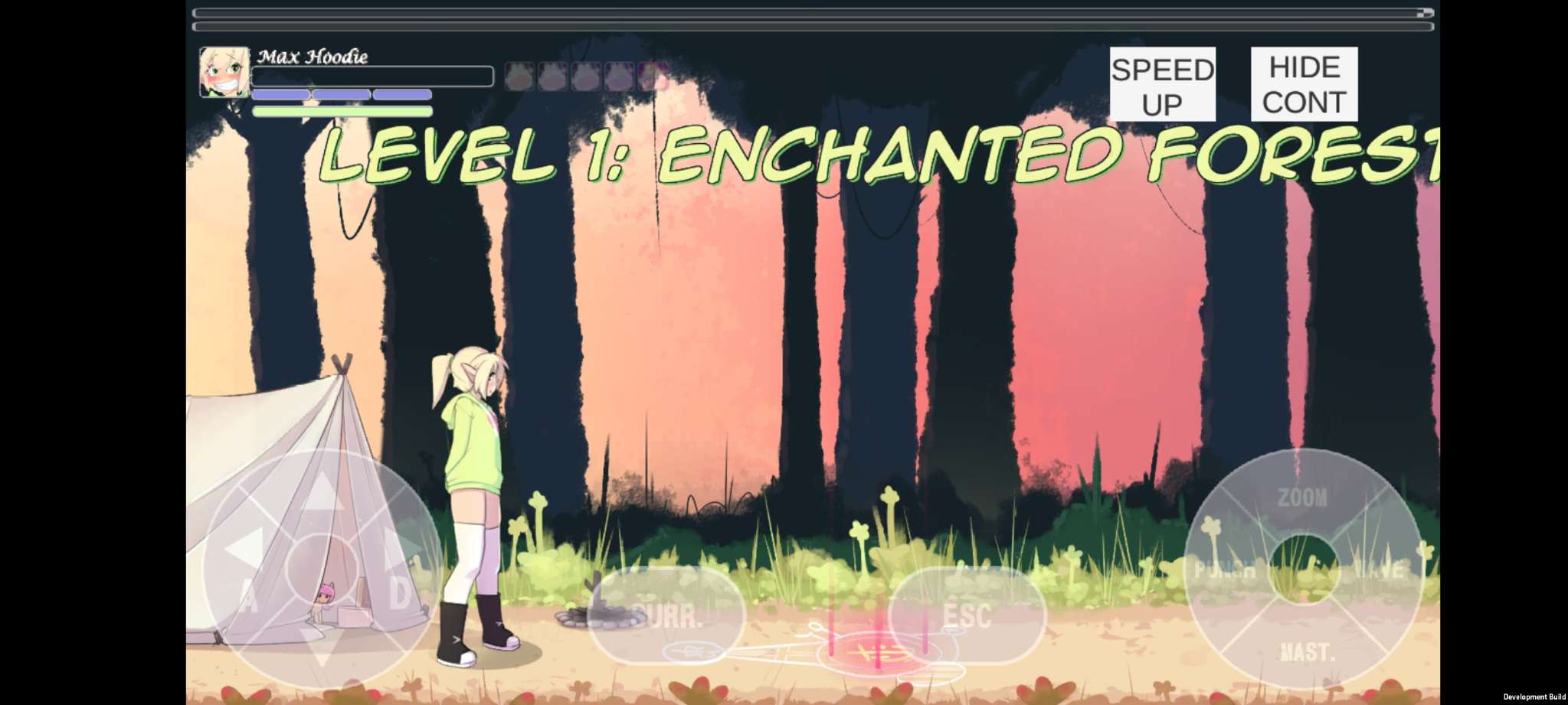
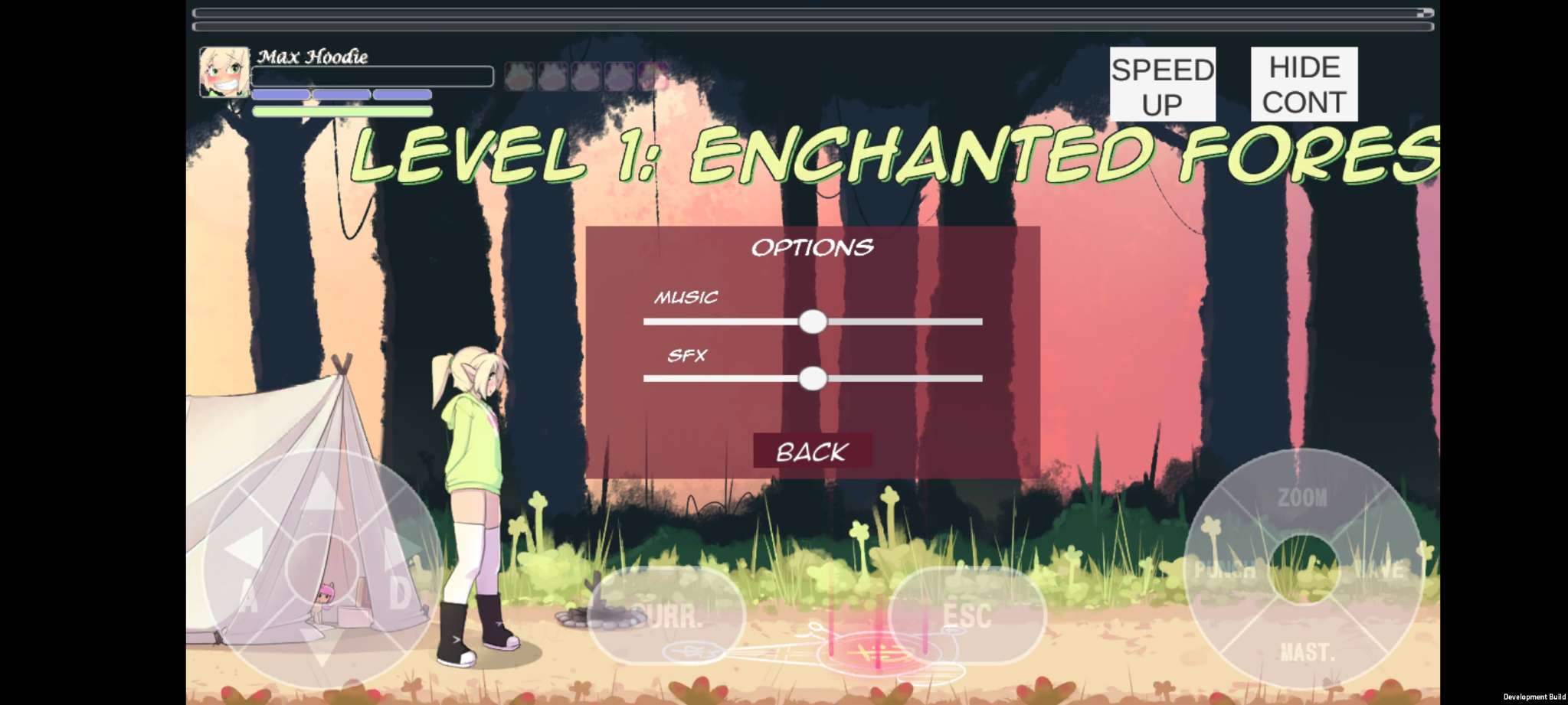
Step into the magical world of Elvoria, where you guide Max on thrilling adventures. Dive into quests, tackle challenges, and meet intriguing characters along the way.
Test your wits and reflexes with clever puzzles and traps. Each challenge keeps the game exciting and unpredictable.
Choose from elf warriors with distinct abilities. Whether you prefer speed, magic, or raw strength, there’s a playstyle to match your approach. Customize abilities to fit your strategy.
Explore every corner to uncover hidden treasures. Use these findings to upgrade Max’s skills. It will unlock powerful new abilities and improve the ones you already have.
Experience levels that change as you progress. New environments and tougher challenges keep the journey engaging.
Take a break from the main story with mini-games, collectibles, and side quests. These offer extra rewards and enrich the overall experience.
In conclusion, this seemingly meaningless string of characters is a portrait of modern Vietnam. It contains a military-industrial giant (Viettel), a global technical standard (IPv4), a local struggle with literacy and typing, and the universal desire to connect. The address 192.168.1.2 may lead to a router login page, but the query "192.168 l 2 viettel" leads directly to the heart of the Vietnamese digital experience: imperfect, persistent, and ultimately successful in bridging the gap between people and the network.
The error of writing "l" (the lowercase letter L) instead of "1" (the numeral one) is a universal typographical quirk, but it holds particular resonance in the Vietnamese context. On standard keyboards, the visual similarity between the glyph for '1' and a lowercase 'l' in many sans-serif fonts is striking. However, the search query is more than a typo; it is an act of . The Vietnamese word for "two" is "hai," yet the user writes "l 2" (L two). This suggests the user is verbally dictating the address as "Một chấm một trăm sáu mươi tám chấm một chấm hai" (One dot one hundred sixty-eight dot one dot two) and then transcribing the first "một" (one) as the numeral 1, but the second "một" as the letter "L" due to auditory confusion. It highlights a cognitive dissonance between spoken language and written code. For many new internet users in Vietnam—from students in Hanoi to shopkeepers in Ho Chi Minh City—this address is a magical incantation, memorized phonetically rather than understood logically. The "l" is a testament to learning by rote in the digital age. 192.168 l 2 viettel
The correct IP address, 192.168.1.2 , is part of the Class C private address range defined by RFC 1918. Viettel, the largest internet service provider in Vietnam, like many ISPs worldwide, uses the 192.168.1.x subnet as the default Local Area Network (LAN) for its home routers. When a user types this number into a browser, they are not accessing the public internet but rather the internal configuration panel of their router—the device that acts as a digital doorman. This address leads to a login page where users change their Wi-Fi password, set up parental controls, or reboot the connection. The "1.2" specifically often points to a secondary device, such as an extender or a specific set-top box, while 192.168.1.1 is typically the main router. Thus, the query "192.168 l 2" represents an attempt to take control of one’s own digital space. The error of writing "l" (the lowercase letter
At first glance, the string "192.168 l 2 viettel" appears to be a broken piece of code, a fragment of a command line entered incorrectly. To a network engineer, it is a typo—a misplaced letter "l" instead of the numeral "1" in the private IP address 192.168.1.2 . Yet, within this seemingly trivial error lies a profound story about the digitization of a nation. This string is not just an address; it is the key to the modern Vietnamese household, a linguistic puzzle, and a symbol of the quiet infrastructure that connects over 70 million internet users. The Vietnamese word for "two" is "hai," yet
The inclusion of "Viettel" transforms the string from a generic error into a cultural artifact. Viettel is not merely a company; it is a state-owned military corporation that has become a national champion of connectivity. For millions of rural Vietnamese, the first time they encountered the internet was through a Viettel modem. The router’s default IP address became synonymous with the brand itself. Troubleshooting internet issues often involves a call to a neighbor or a relative: "Gõ 192.168 điểm 1 điểm 2 đi" (Type 192.168 dot 1 dot 2). When this fails, the frustrated user turns to a search engine, typing the garbled "192.168 l 2 viettel" in hopes of finding a guide. Viettel's customer service forums are filled with such queries, making the typo a unique digital dialect within Vietnam’s online ecosystem.
Ultimately, "192.168 l 2 viettel" is a powerful metaphor for the state of digital literacy in a rapidly developing nation. It represents the gap between the logic of machines (which require exact numerals) and the logic of humans (who operate on patterns, sounds, and approximations). The "l" stands for the human element—fallible, contextual, and creative. Every time a user hits "Search" with this broken address, they are not failing; they are negotiating. They are translating a foreign technical standard into a local, understandable language.