Open source RGB lighting control that doesn't depend on manufacturer software


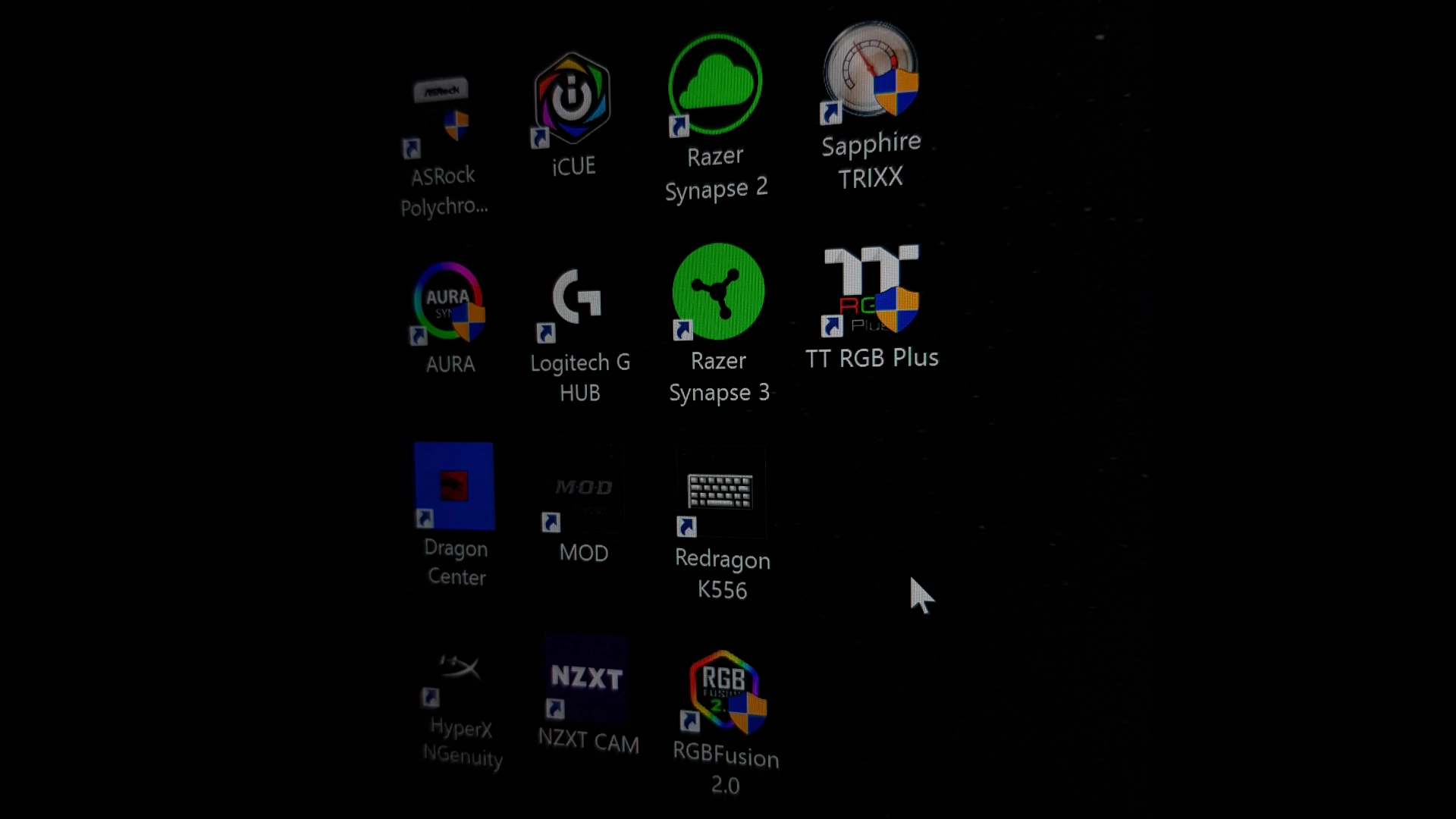
One of the biggest complaints about RGB is the software ecosystem surrounding it. Every manufacturer has their own app, their own brand, their own style. If you want to mix and match devices, you end up with a ton of conflicting, functionally identical apps competing for your background resources. On top of that, these apps are proprietary and Windows-only. Some even require online accounts. What if there was a way to control all of your RGB devices from a single app, on both Windows and Linux, without any nonsense? That is what OpenRGB sets out to achieve. One app to rule them all.


Version 1.0rc2, additional downloads and versions on Releases page

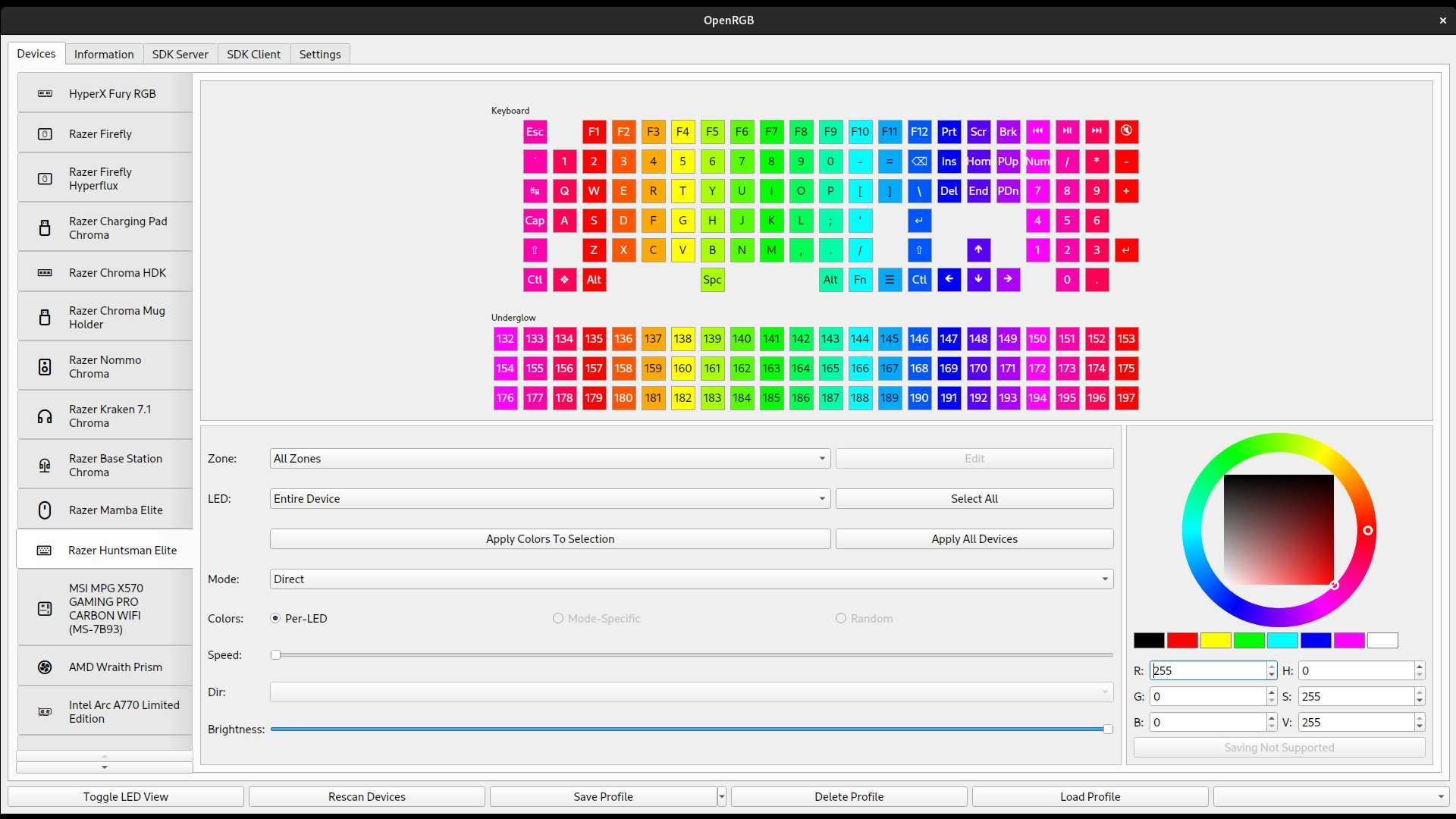
OpenRGB user interface

Control RGB without wasting system resources

Lightweight User Interface

OpenRGB keeps it simple with a lightweight user interface that doesn't waste background resources with excessive custom images and styles. It is light on both RAM and CPU usage, so your system can continue to shine without cutting into your gaming or productivity performance.

OpenRGB rules them all

Control RGB from a single app

Eliminate Bloatware

If you have RGB devices from many different manufacturers, you will likely have many different programs installed to control all of your devices. These programs do not sync with each other, and they all compete for your system resources. OpenRGB aims to replace every single piece of proprietary RGB software with one lightweight app.

OpenRGB is open source software

Contribute your RGB devices

Open Source

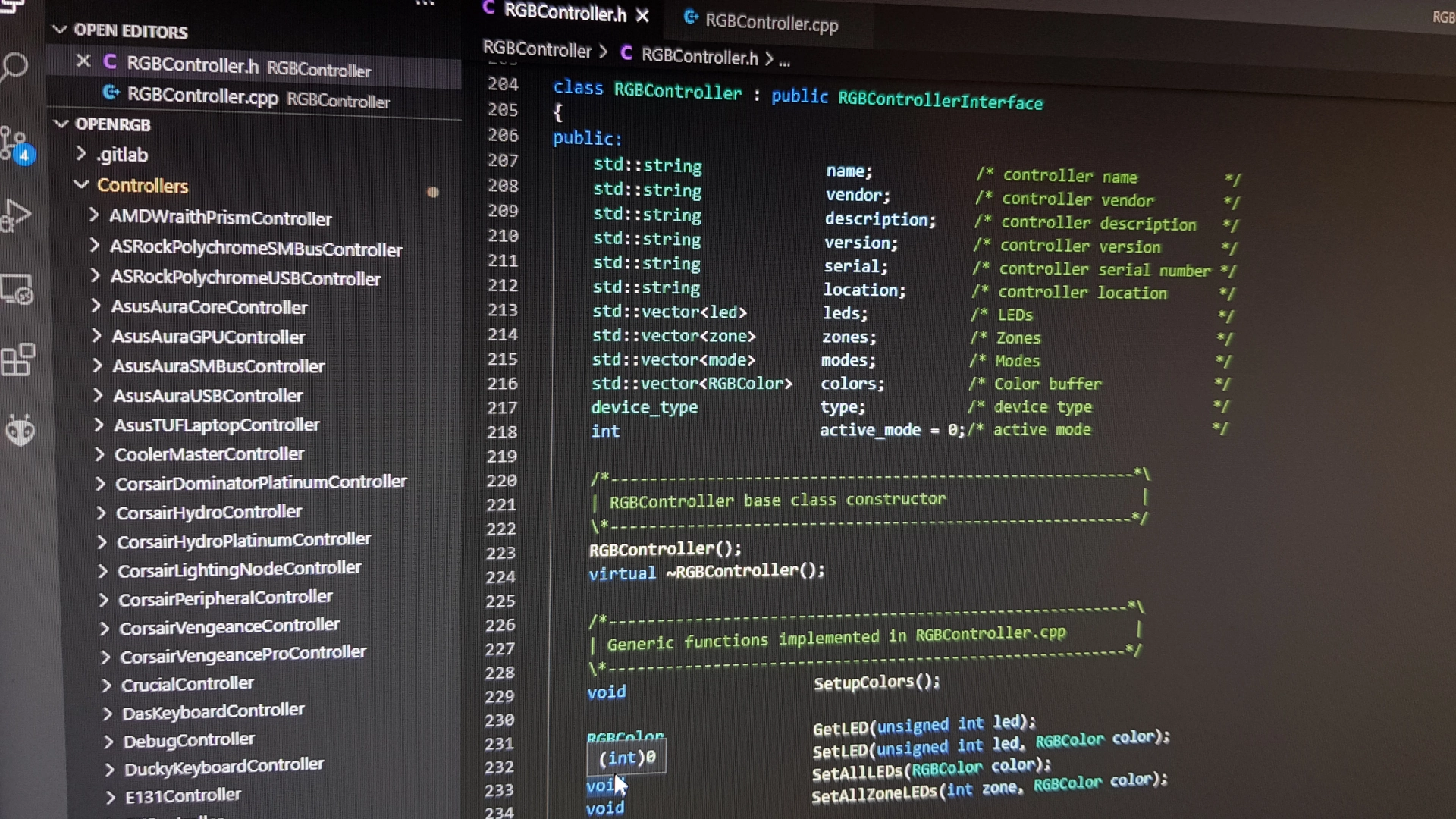
OpenRGB is free and open source software under the GNU General Public License version 2. This means anyone is free to view and modify the code. If you know C++, you can add your own device with our flexible RGB hardware abstraction layer. Being open source means more devices are constantly being added!


Check out the source code on GitLab
OpenRGB is Cross-Platform

Control RGB on Windows, Linux, and MacOS

Cross-Platform

OpenRGB runs on Windows, Linux and MacOS. No longer is RGB control a Windows-exclusive feature! OpenRGB has been tested on X86, X86_64, ARM32, and ARM64 processors including ARM mini-PCs such as the Raspberry Pi.

British Naturism Magazine Pdf -

The first British naturism magazine, , was launched in 1933 by the British Naturist Association (BNA). The magazine was initially published quarterly and featured articles, stories, and photographs that promoted the naturist lifestyle. Over the years, other magazines, such as Spree and Naturist News , emerged, catering to the growing demand for naturist literature. These magazines provided a vital service, offering a platform for naturists to share their experiences, discuss issues related to the movement, and connect with others who shared similar interests.
The rise of digital technology in the late 1990s and early 2000s marked a significant turning point for British naturism magazines. Many magazines began to transition from print to digital formats, including PDFs. This shift offered several advantages, including increased accessibility, reduced costs, and a wider reach. PDFs, in particular, allowed for the creation of digital versions of the magazines that could be easily distributed online. british naturism magazine pdf

Naturism, also known as nudism, has been a part of British culture for decades. The movement, which emphasizes a return to nature and a sense of body positivity, has been represented in various magazines over the years. British naturism magazines have played a significant role in promoting the ideology and providing a platform for like-minded individuals to share their experiences and connect with others. With the advent of digital technology, these magazines have undergone a significant transformation, shifting from print to digital formats, including PDFs. The first British naturism magazine, , was launched

The shift to digital platforms, including PDFs, has marked a significant turning point for British naturism magazines. The benefits of PDF magazines, including convenience, cost-effectiveness, and environmental benefits, have made them an attractive option for publishers and readers alike. As technology continues to evolve, it is likely that British naturism magazines will continue to adapt, offering readers new and innovative ways to engage with the naturist movement. These magazines provided a vital service, offering a