
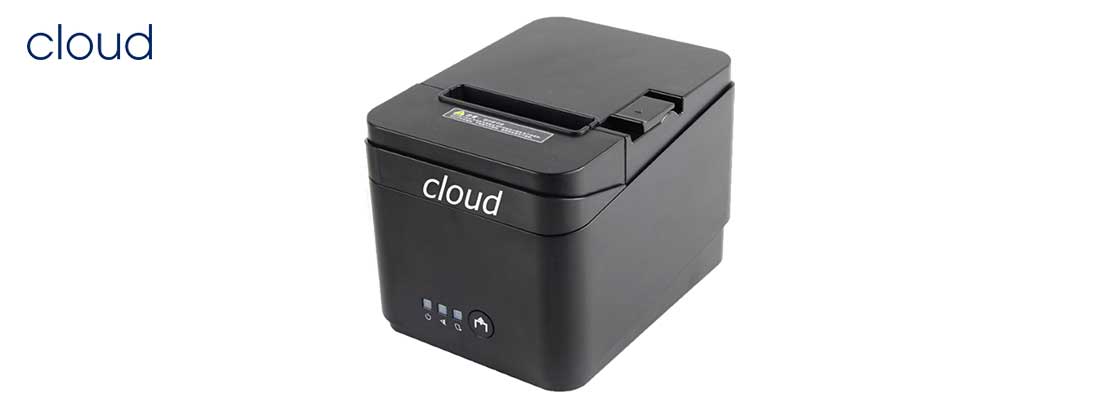

Cloud CTP30 Thermal Printer

Cloud Printer Driver




















Here is what ENVI does better than almost anyone else: ENVI was built for the physics of light. Its Spectral Hourglass workflow (from atmospheric correction to endmember collection to SAM classification) is still the industry standard. If you are working with AVIRIS, PRISMA, or Emit data, the ENVI’s library of over 1,300 spectral signatures is indispensable. 2. The IDL Engine Under the Hood Love it or hate it, ENVI is powered by IDL (Interactive Data Language). For power users, this means you aren't stuck with the GUI. You can write batch scripts to process terabytes of Sentinel-2 data overnight. While Python is more popular today, IDL’s array syntax is incredibly fast for pixel-level math. 3. Radiometric Calibration Unlike general-purpose tools, ENVI understands the metadata of dozens of sensor formats (Landsat, MODIS, Pleiades, WorldView). Its Radiometric Calibration tools convert DN values into Top of Atmosphere (TOA) Reflectance or Radiance with a few clicks—no coding required. The Modern Workflow: ENVI + Deep Learning One of the biggest misconceptions is that ENVI hasn't evolved. The newer versions (ENVI 5.x+) have integrated Deep Learning modules.
April 13, 2026 | Reading Time: 4 minutes exelis envi
Beyond the Pixels: Why ENVI Remains the Gold Standard for Geospatial Analytics Here is what ENVI does better than almost
You only need to visualize shapefiles or create web maps. Getting Started Today If you are a student or new to the field, look for the Harris Geospatial Solutions (formerly Exelis) trial license. Download a sample AVIRIS scene and run the "Spectral Indices" tool. The moment you see the difference between a stressed crop and a healthy crop via the Red Edge position, you will understand why ENVI has survived for over 30 years. You can write batch scripts to process terabytes
Copyright 2008-2026 NEDO Corporation All Rights Reserved
