The Spcialist in Valve Quality inspection
Professional Maker of Double Block Bleed Ball Valve
The Highest Pride of Plug Valve
The best technology ensures the reliability of the KCL ball valve
KCL Valve Full of world wide supply experience
Full of Manufacturing Equipment
Reliable inspection equipments

Fake Hospital Daniella Margot !!top!! -

Perhaps most significantly, the popularity of Fake Hospital Daniella Margot signals a deeper crisis of trust and a sophisticated form of media literacy among the public. For the satire to land, audiences must be able to distinguish between the “fake” absurdity of Margot and the “real” absurdity of actual hospital press releases, patient satisfaction surveys, and leadership memos. The laughter she generates is not cynical but diagnostic; it is the sound of a public that has learned to decode institutional double-speak. In an era of “quiet quitting,” “toxic positivity,” and “gaslighting,” Margot’s exaggerated pronouncements give a name to the vague discomfort patients feel when a hospital’s social media celebrates a “beautiful story of resilience” while emergency rooms overflow. Her followers are not being fooled; they are co-conspirators in a shared act of recognition. This shared joke builds a temporary community of critical thinkers who can see through the veil of corporate compassion. Consequently, Margot does not erode trust in healthcare so much as redirect it away from brands and toward frontline workers and peer networks.

The core of Daniella Margot’s satire lies in her merciless lampooning of corporate healthcare language. In one viral post, she might announce a “strategic pivot to empathetic throughput” or congratulate her team on “leveraging grief synergies during Q3.” To the uninitiated, this sounds like authentic administrative speak; to anyone who has navigated a modern hospital system, it is a grotesque amplification of a truth they already suspect: that patient care is increasingly framed in the language of logistics, efficiency, and branding. Margot’s “fake” announcements—such as the launch of a “premium waiting room tier” or a “discharge lottery for rapid bed turnover”—are only funny because they hover perilously close to real-world proposals. The humor acts as a release valve for the frustration patients and professionals feel when compassion is reduced to a key performance indicator. By taking this jargon to its logical extreme, Margot reveals its inherent absurdity, forcing audiences to question why real hospitals sound increasingly like startups. fake hospital daniella margot

However, the satirical scalpel of Daniella Margot is not without its potential for unintended harm. The risk of a “poe” effect—where parody is mistaken for reality—is high, especially for those with low health literacy or high anxiety about medical systems. A vulnerable patient who stumbles upon a Margot post about “recycling gently used anesthesia” might not linger for the punchline. Moreover, the character’s relentless cynicism, if consumed without critical context, could fuel a nihilistic resignation that genuine efforts to improve healthcare are pointless. The line between healthy skepticism and debilitating distrust is thin, and satire walks it precariously. The creators behind the Margot persona (who remain anonymous, fittingly) bear an ethical responsibility to signal their fictionality clearly, though in the chaotic architecture of social media, such signals are easily lost. The very ambiguity that makes the satire clever also makes it potentially dangerous. Perhaps most significantly, the popularity of Fake Hospital

In conclusion, Fake Hospital Daniella Margot is far more than a fleeting internet meme. She is a mirror held up to the contemporary medical-industrial complex, reflecting its linguistic absurdities, its performative contradictions, and its strained relationship with human vulnerability. Through the alchemy of parody, this fictional administrator exposes the gap between what healthcare institutions say and what they do, between the brand promise and the lived experience of sickness. The enthusiastic embrace of her satire by millions indicates a public that is not easily fooled—a public hungry for honesty, weary of optimization, and capable of using humor as a tool for critical analysis. While she cannot cure disease or fix a broken system, Daniella Margot performs a valuable therapeutic function: she names the absurd, laughs at the unbearable, and in doing so, reminds us that the most radical demand we can make of our hospitals is not for better branding, but for better, more human care. And that is no joke. In an era of “quiet quitting,” “toxic positivity,”

In the sprawling, algorithm-driven ecosystem of social media, where authenticity is often performed rather than possessed, few figures have captured the peculiar anxieties of modern healthcare as sharply as the satirical character “Fake Hospital Daniella Margot.” Emerging from the digital ether as a parody of the hyper-competent, impossibly serene, and jargon-fluent medical influencer, Daniella Margot—a completely fictional “Director of Fictional Medicine” at a non-existent institution—uses absurdist humor to dissect the disconnect between clinical reality and its polished online representation. By exaggerating the tropes of hospital branding, patient experience metrics, and performative expertise, this satirical persona functions as a powerful, if unsettling, cultural critique. Ultimately, the phenomenon of Fake Hospital Daniella Margot reveals deep public hunger for transparency, a sophisticated understanding of institutional rhetoric, and a profound unease with the commodification of care.

Made of High Quality Plant Valves

“As a professional manufacturer and supplier of Ball valve and Special valve equipment, We will grow up to a trustable and
favorable company.”

Perhaps most significantly, the popularity of Fake Hospital Daniella Margot signals a deeper crisis of trust and a sophisticated form of media literacy among the public. For the satire to land, audiences must be able to distinguish between the “fake” absurdity of Margot and the “real” absurdity of actual hospital press releases, patient satisfaction surveys, and leadership memos. The laughter she generates is not cynical but diagnostic; it is the sound of a public that has learned to decode institutional double-speak. In an era of “quiet quitting,” “toxic positivity,” and “gaslighting,” Margot’s exaggerated pronouncements give a name to the vague discomfort patients feel when a hospital’s social media celebrates a “beautiful story of resilience” while emergency rooms overflow. Her followers are not being fooled; they are co-conspirators in a shared act of recognition. This shared joke builds a temporary community of critical thinkers who can see through the veil of corporate compassion. Consequently, Margot does not erode trust in healthcare so much as redirect it away from brands and toward frontline workers and peer networks.

The core of Daniella Margot’s satire lies in her merciless lampooning of corporate healthcare language. In one viral post, she might announce a “strategic pivot to empathetic throughput” or congratulate her team on “leveraging grief synergies during Q3.” To the uninitiated, this sounds like authentic administrative speak; to anyone who has navigated a modern hospital system, it is a grotesque amplification of a truth they already suspect: that patient care is increasingly framed in the language of logistics, efficiency, and branding. Margot’s “fake” announcements—such as the launch of a “premium waiting room tier” or a “discharge lottery for rapid bed turnover”—are only funny because they hover perilously close to real-world proposals. The humor acts as a release valve for the frustration patients and professionals feel when compassion is reduced to a key performance indicator. By taking this jargon to its logical extreme, Margot reveals its inherent absurdity, forcing audiences to question why real hospitals sound increasingly like startups.

However, the satirical scalpel of Daniella Margot is not without its potential for unintended harm. The risk of a “poe” effect—where parody is mistaken for reality—is high, especially for those with low health literacy or high anxiety about medical systems. A vulnerable patient who stumbles upon a Margot post about “recycling gently used anesthesia” might not linger for the punchline. Moreover, the character’s relentless cynicism, if consumed without critical context, could fuel a nihilistic resignation that genuine efforts to improve healthcare are pointless. The line between healthy skepticism and debilitating distrust is thin, and satire walks it precariously. The creators behind the Margot persona (who remain anonymous, fittingly) bear an ethical responsibility to signal their fictionality clearly, though in the chaotic architecture of social media, such signals are easily lost. The very ambiguity that makes the satire clever also makes it potentially dangerous.

In conclusion, Fake Hospital Daniella Margot is far more than a fleeting internet meme. She is a mirror held up to the contemporary medical-industrial complex, reflecting its linguistic absurdities, its performative contradictions, and its strained relationship with human vulnerability. Through the alchemy of parody, this fictional administrator exposes the gap between what healthcare institutions say and what they do, between the brand promise and the lived experience of sickness. The enthusiastic embrace of her satire by millions indicates a public that is not easily fooled—a public hungry for honesty, weary of optimization, and capable of using humor as a tool for critical analysis. While she cannot cure disease or fix a broken system, Daniella Margot performs a valuable therapeutic function: she names the absurd, laughs at the unbearable, and in doing so, reminds us that the most radical demand we can make of our hospitals is not for better branding, but for better, more human care. And that is no joke.

In the sprawling, algorithm-driven ecosystem of social media, where authenticity is often performed rather than possessed, few figures have captured the peculiar anxieties of modern healthcare as sharply as the satirical character “Fake Hospital Daniella Margot.” Emerging from the digital ether as a parody of the hyper-competent, impossibly serene, and jargon-fluent medical influencer, Daniella Margot—a completely fictional “Director of Fictional Medicine” at a non-existent institution—uses absurdist humor to dissect the disconnect between clinical reality and its polished online representation. By exaggerating the tropes of hospital branding, patient experience metrics, and performative expertise, this satirical persona functions as a powerful, if unsettling, cultural critique. Ultimately, the phenomenon of Fake Hospital Daniella Margot reveals deep public hunger for transparency, a sophisticated understanding of institutional rhetoric, and a profound unease with the commodification of care.

Strengths of KCL Valve

Validity of delivery, quality first, full experience of all valve as one brand

Trust

Trust satisfaction with quality and delivery time of customer as a top priority

Superior quality

Strong confidence for valve quality

Competitiveness

We supply all kinds of valves as one brand with the shortest delivery time

Technology

plentiful experience and knowhow of all staffs

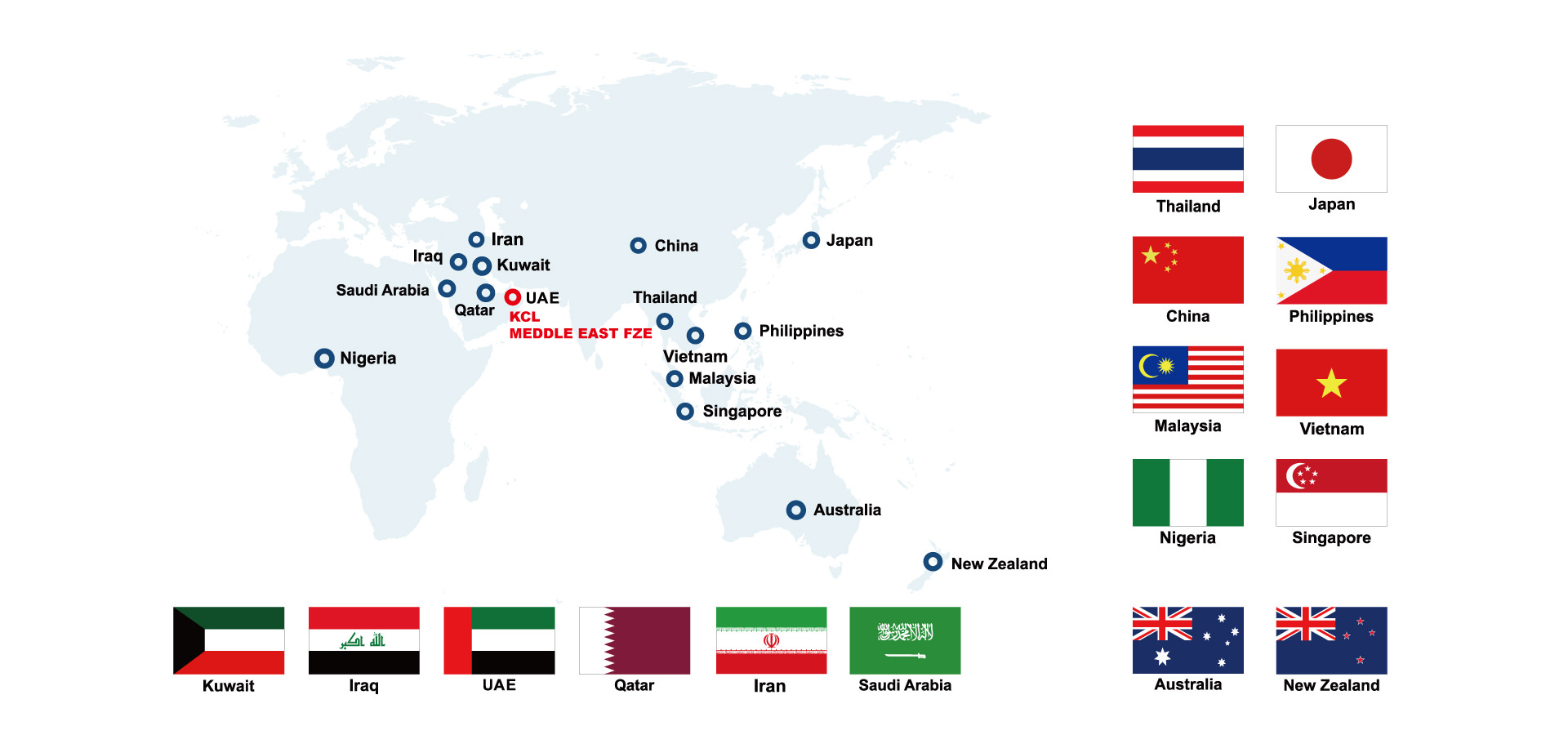
Overseas Branch & Agency

map

Our Client

Growing with customers

Many major domestic and overseas customers are the result of KCL’s technology, quality and trust.
We will provide an appointment with more advanced technology and solutions to all these customers

If You Have Any Question, Then Feel Free Contact US.