Jazz Cash Old Version __hot__ Today
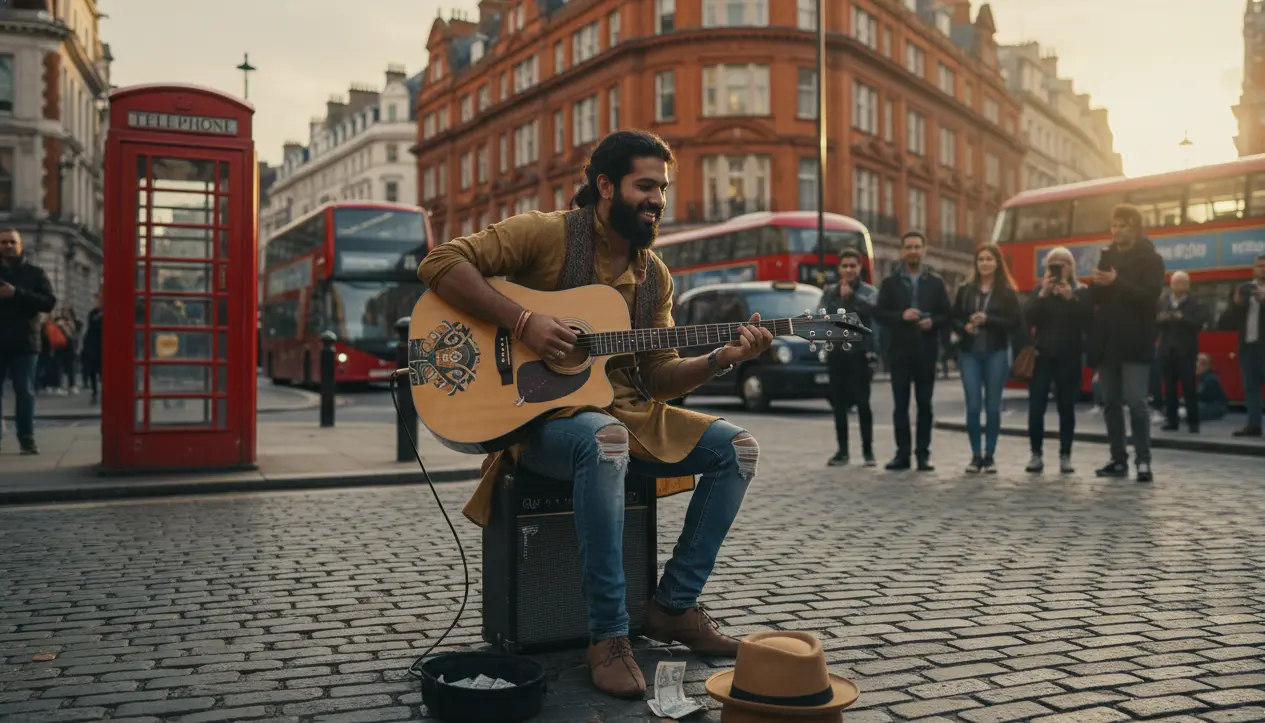
Crumbs, desperate and drunk, hummed a riff—a minor, lonesome phrase he’d been chasing for years. The machine listened through a dusty microphone grille. It hummed back, then spat out a receipt. The code wasn’t numbers. It was a musical staff with twelve notes.
He handed it to Lefty. Lefty’s eyes went wide. “Kid,” he whispered, “you just printed the Starlight Cadence . That’s not cash. That’s a legend.” jazz cash old version
He fed the machine a single, sweaty dollar. The old version didn’t whir. It groaned . Then, instead of a receipt, a slow, pixelated animation played: a cartoon cat in a zoot suit playing a piano that bled green notes. A text box appeared: Crumbs, desperate and drunk, hummed a riff—a minor,
In the neon-drenched twilight of 1997, before the gloss of the new millennium, there existed a relic called . Not the sleek, fingerprint-scanning app of today, but the old version —a scuffed, silver kiosk the size of a payphone, humming with a dial-up soul. The code wasn’t numbers
They say if you press your ear to its cold metal side, you can still hear the faint, dusty echo of a saxophone, playing for a ghost audience of unpaid tabs and broken promises. That was the old version. Not a payment system. A confession booth for the broke and brilliant.
One night, a saxophonist named “Crumbs” McCadden stumbled in. He was broke, his horn was in hock, and a loan shark named Vinnie was tapping his watch. Crumbs had one thing left: a vintage Jazz Card, number 00042, from the first batch.