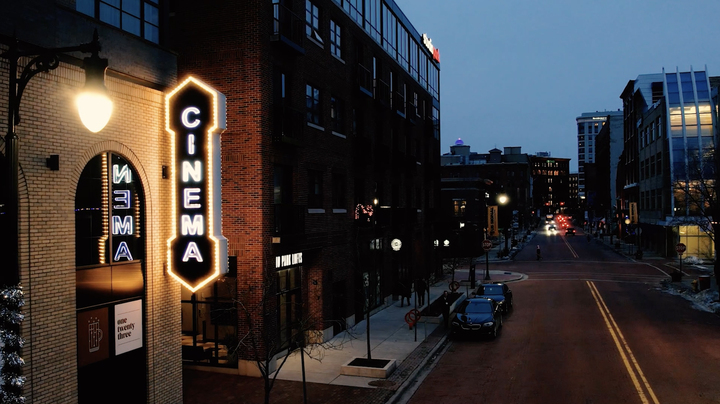




Moviegoing is our mission
video logo
popcorn bucket with Cinema United logo

Our Mission

Founded in 1948, Cinema United is the largest exhibition trade organization in the world, representing more than 31,000 movie screens in all 50 states, and more than 30,000 screens in 80 countries worldwide. Its membership includes theatres of all sizes, from the largest cinema chains to one-screen theatres in cities and towns around the world.

About Us
8.7
Billion 2024 Box Office
64K+
Screens Worldwide

| Feature | Mainstream Indie (e.g., Image, Dark Horse) | Locofuria Comics | | :--- | :--- | :--- | | Production Quality | Glossy paper, digital coloring, professional lettering | Newsprint, risograph, hand-lettering | | Story Arc | Clear three-act structure | Fragmented, cyclical, or anti-narrative | | Character Morality | Morally grey but redeemable | Often nihilistic or radically empathetic | | Distribution | Direct market (comic shops, digital platforms) | DIY fairs, social media drops, small-run print |

Across Locofuria’s core titles—such as Concrete Howl and Neon Cactus —anger is not merely a plot device but a structural engine. In Concrete Howl (issue #3), the protagonist’s fury literally warps the grid of the page, causing speech bubbles to melt and gutters to collapse. This technique aligns with what scholar Hillary Chute calls “graphic narrative as an archive of trauma” ( Disaster Drawn , 2016). Locofuria extends this by suggesting that fury, when graphically rendered, can dismantle oppressive narrative forms.

Founded in [insert year, e.g., late 2010s] by a collective of underground artists and writers, Locofuria emerged from the DIY (Do-It-Yourself) ethos of zine culture. The name itself—combining loco (mad/insane) and furia (fury)—signals a deliberate rejection of sanitized, corporate storytelling. Unlike mainstream publishers that rely on consistent house styles, Locofuria champions artistic anarchy: rough inkwork, aggressive color palettes (neon contrasts, monochromatic rage), and fragmented panel layouts.

Subverting Mainstream Narratives: The Aesthetic and Ideological Edge of Locofuria Comics

[Your Name] Date: [Current Date]

In an era dominated by superhero franchises and licensed intellectual properties, independent comic labels often serve as the vanguard of stylistic and narrative experimentation. (a pseudonym/hypothetical indie publisher) represents a compelling case study in how small-press collectives harness raw, unpolished energy to critique both the comic industry and broader socio-political norms. This paper examines Locofuria’s visual language, recurring themes, and its positioning within the alternative comics scene.

Critics argue that Locofuria’s commitment to abrasiveness can lapse into aesthetic self-parody. Some issues prioritize visual chaos over narrative coherence, alienating readers unfamiliar with avant-garde comics. Additionally, its limited print runs (often 200–500 copies) restrict its cultural impact compared to digital-first indie publishers.

Locofuria Comics exemplifies the enduring necessity of fringe publishing. By refusing to polish its fury, it preserves a raw, confrontational edge that mainstream comics have largely abandoned. For scholars of sequential art, Locofuria offers a living laboratory: a place where the comic page becomes a battlefield of form, feeling, and defiance. Future research should explore how such collectives sustain themselves economically while resisting co-optation.

Locofuria Comics 【FULL · 2025】

| Feature | Mainstream Indie (e.g., Image, Dark Horse) | Locofuria Comics | | :--- | :--- | :--- | | Production Quality | Glossy paper, digital coloring, professional lettering | Newsprint, risograph, hand-lettering | | Story Arc | Clear three-act structure | Fragmented, cyclical, or anti-narrative | | Character Morality | Morally grey but redeemable | Often nihilistic or radically empathetic | | Distribution | Direct market (comic shops, digital platforms) | DIY fairs, social media drops, small-run print |

Across Locofuria’s core titles—such as Concrete Howl and Neon Cactus —anger is not merely a plot device but a structural engine. In Concrete Howl (issue #3), the protagonist’s fury literally warps the grid of the page, causing speech bubbles to melt and gutters to collapse. This technique aligns with what scholar Hillary Chute calls “graphic narrative as an archive of trauma” ( Disaster Drawn , 2016). Locofuria extends this by suggesting that fury, when graphically rendered, can dismantle oppressive narrative forms.

Founded in [insert year, e.g., late 2010s] by a collective of underground artists and writers, Locofuria emerged from the DIY (Do-It-Yourself) ethos of zine culture. The name itself—combining loco (mad/insane) and furia (fury)—signals a deliberate rejection of sanitized, corporate storytelling. Unlike mainstream publishers that rely on consistent house styles, Locofuria champions artistic anarchy: rough inkwork, aggressive color palettes (neon contrasts, monochromatic rage), and fragmented panel layouts. locofuria comics

Subverting Mainstream Narratives: The Aesthetic and Ideological Edge of Locofuria Comics

[Your Name] Date: [Current Date]

In an era dominated by superhero franchises and licensed intellectual properties, independent comic labels often serve as the vanguard of stylistic and narrative experimentation. (a pseudonym/hypothetical indie publisher) represents a compelling case study in how small-press collectives harness raw, unpolished energy to critique both the comic industry and broader socio-political norms. This paper examines Locofuria’s visual language, recurring themes, and its positioning within the alternative comics scene.

Critics argue that Locofuria’s commitment to abrasiveness can lapse into aesthetic self-parody. Some issues prioritize visual chaos over narrative coherence, alienating readers unfamiliar with avant-garde comics. Additionally, its limited print runs (often 200–500 copies) restrict its cultural impact compared to digital-first indie publishers. | Feature | Mainstream Indie (e

Locofuria Comics exemplifies the enduring necessity of fringe publishing. By refusing to polish its fury, it preserves a raw, confrontational edge that mainstream comics have largely abandoned. For scholars of sequential art, Locofuria offers a living laboratory: a place where the comic page becomes a battlefield of form, feeling, and defiance. Future research should explore how such collectives sustain themselves economically while resisting co-optation.

Become a Member

Our Membership includes the largest cinema chains in the world and hundreds of independent theater owners too. Find out how you can be a part of our exciting organization today!

Cinema United
Privacy Overview

This website uses cookies so that we can provide you with the best user experience possible. Cookie information is stored in your browser and performs functions such as recognising you when you return to our website and helping our team to understand which sections of the website you find most interesting and useful.