1. Standard Oriya Keyboard Layout
High resolution image suitable for printing.
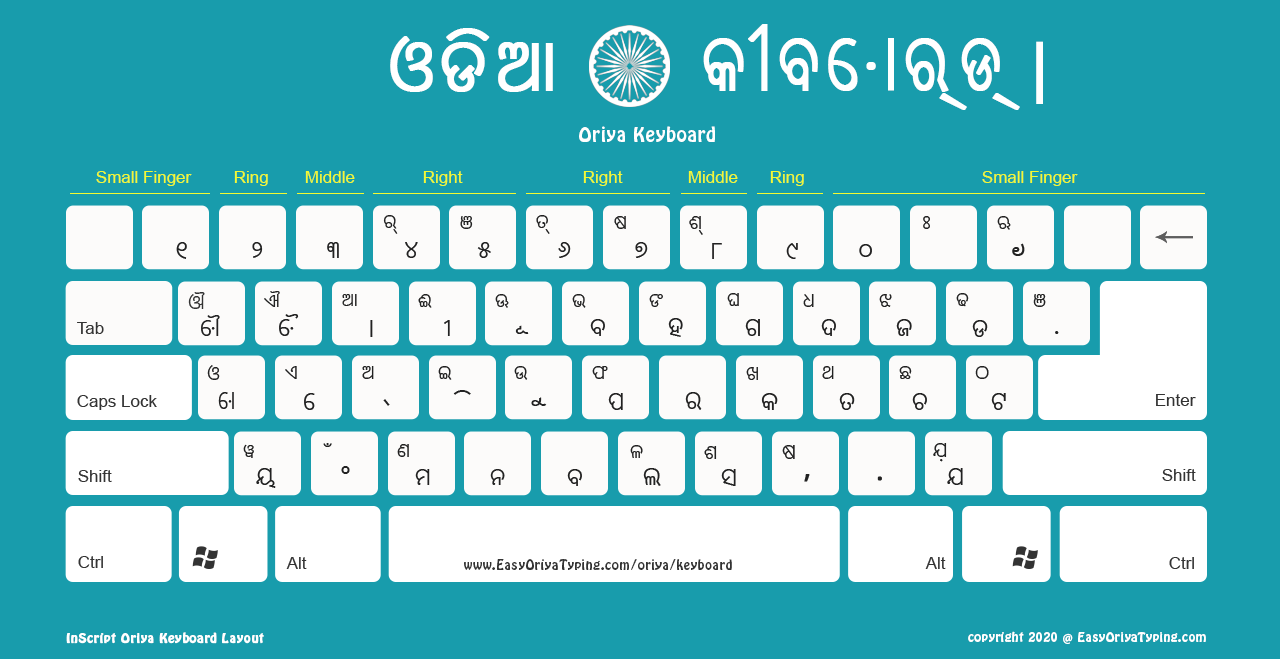
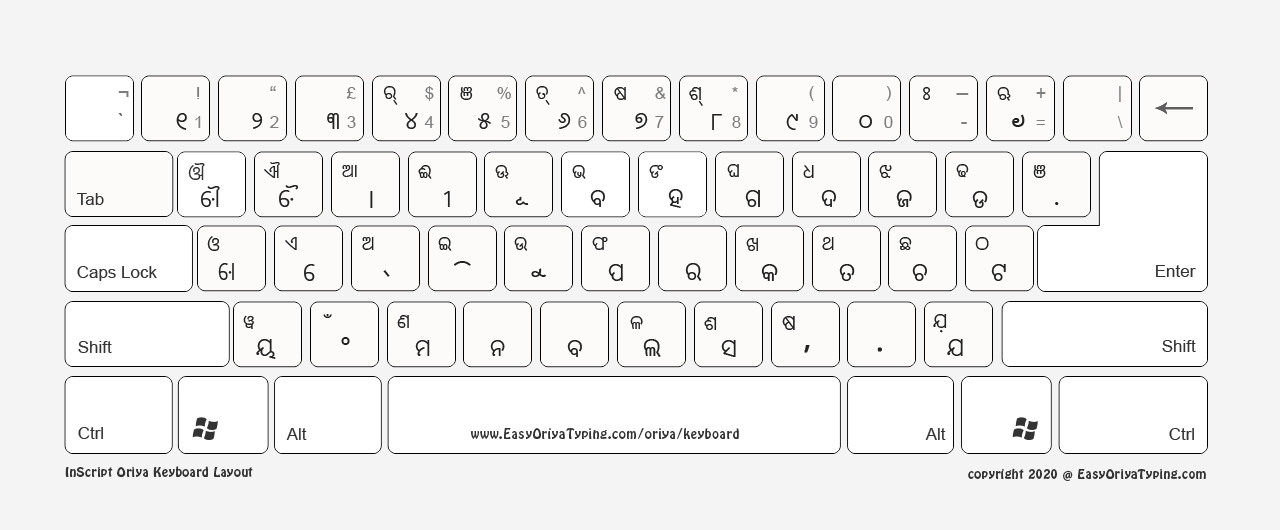
We have five different Oriya keyboard layouts for you to download on your computer. Once downloaded — you can use it as a reference to type in Oriya either on Word document or any other text editor. You also need to download the matching Oriya fonts.
High resolution image suitable for printing.
High resolution image suitable for printing.
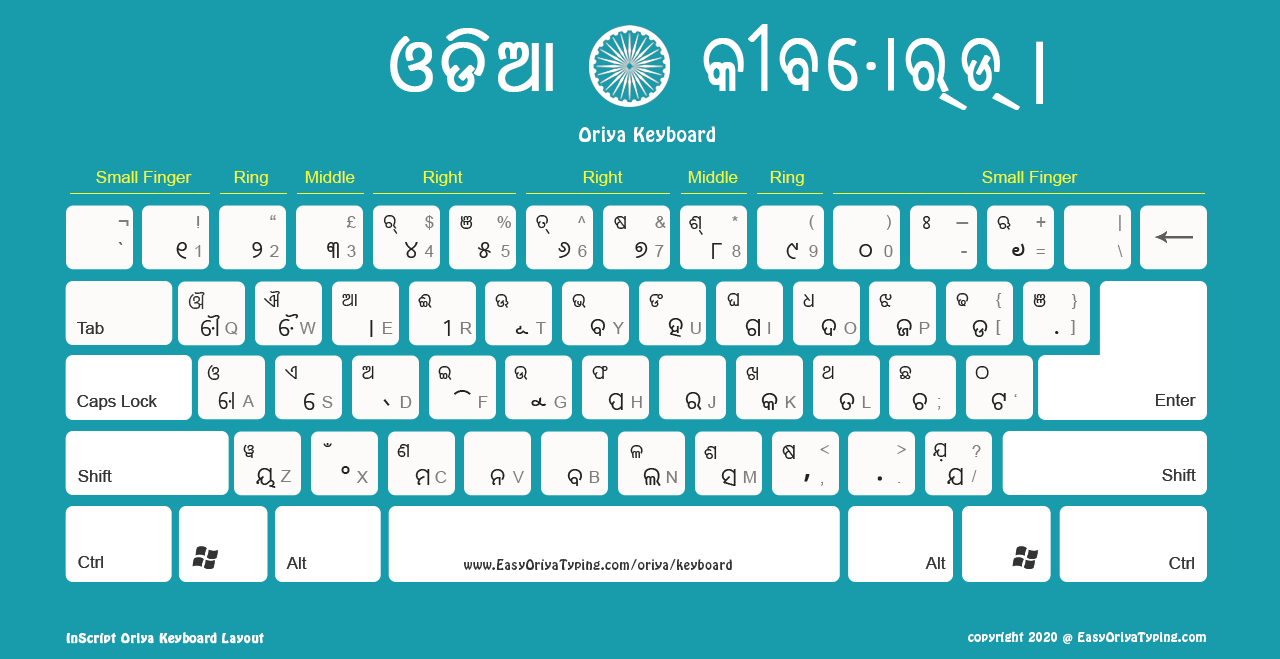
High resolution image suitable for printing.
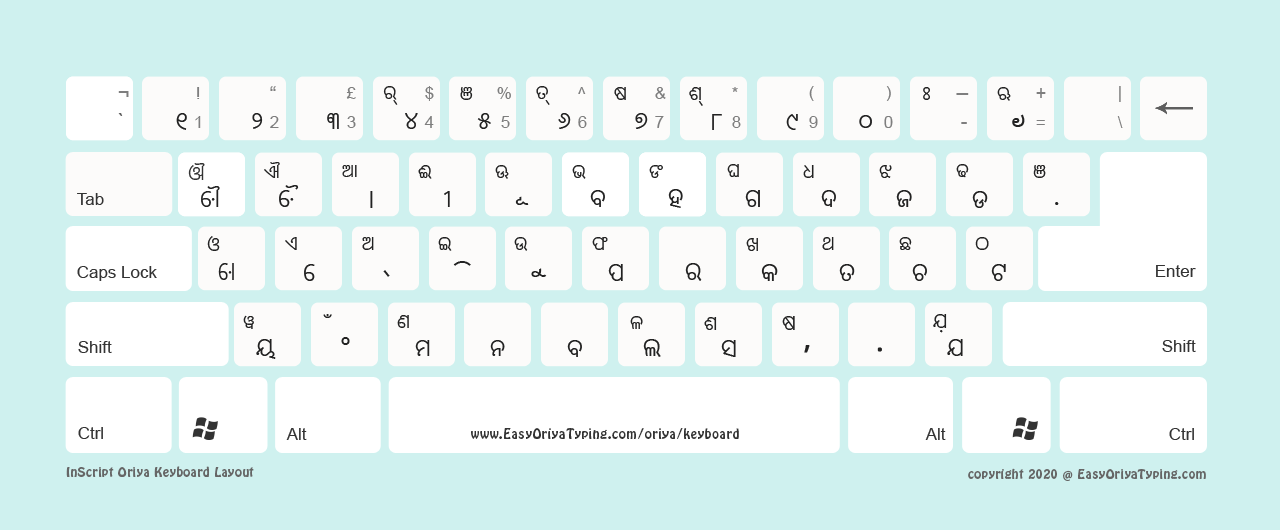
High resolution image suitable for printing.
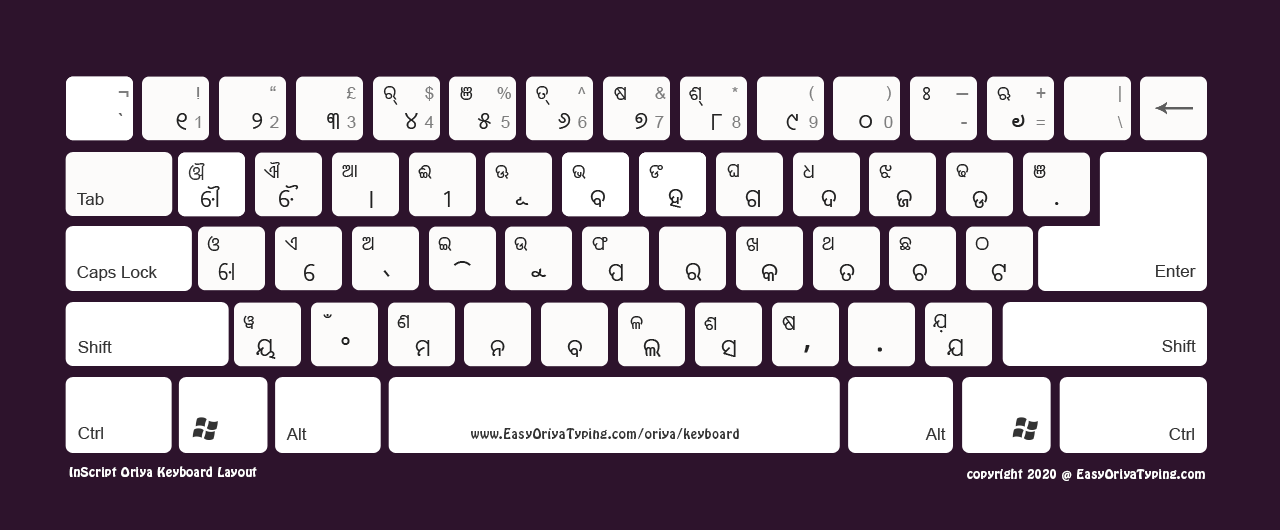
High resolution image suitable for printing.
Getting started with Oriya typing is simple! Follow our step-by-step process.
Install Odia font — head over to our extensive fonts repository and install your preferred typeface.
Download your ideal keyboard image through this simple downloading process:
Browse and click on your preferred keyboard style
Right-click anywhere on the enlarged image
Choose "Save image as..." and pick your storage location
Prepare your writing space by launching your go-to text application and activating the Oriya font you installed in step one.
Begin your Oriya writing journey! Display your keyboard reference image alongside your text editor for seamless typing guidance.
Space-saving tip: Working on a compact setup? Our high-resolution keyboards deliver stunning print quality — create a physical reference that's always within reach!
Ensures traditional accuracy — each layout preserves authentic Oriya script conventions and cultural writing traditions.
Offers complete flexibility — choose from multiple styles and backgrounds to match your personal or professional preferences.
Includes unrestricted usage rights — download, print, share, and modify for any purpose without limitations or hidden costs.
She stood at the prow, raised her arms, and danced.
And from that day on, sailors spoke of a strange boat that appeared in storms, crewed by a woman who could calm the sea with a step. Lost fishermen would see her lantern—a single, steady light—and follow it home.
When she was seventeen, the sea took her father.
It wasn’t a dramatic storm. It was a routine repair on an old fishing trawler. A snapped cable, a fall into the black, oily water of the harbor, and he was gone before anyone could even shout his name. Her mother, heartbroken, fell silent. The shrine’s candles guttered and went out. And Mikuni discovered a third power she never knew she had: grief that could still the wind.
For three days after his funeral, not a single leaf moved in the entire prefecture. Kites hung frozen in the sky. The sea became a sheet of dark glass. People whispered of a curse. Mikuni sat on the shrine’s veranda, her hands clenched into fists, the air around her thick and suffocating.
The name "Mikuni" meant "three countries," a gift from her grandfather who swore she had been conceived under a lunar eclipse that bridged the human realm, the spirit realm, and the realm of the deep sea. "Maisaki" was her mother’s family name, meaning "the edge of the dance"—a liminal space where movement ends and magic begins.
She heard her father’s voice, humming a work song. She heard the whisper of the kamisama of the sea, mourning a craftsman they had stolen. And she heard her own heart, not broken, but cracked open—a vessel that could hold both grief and grace.
“Your father’s last boat,” he said, not looking at her. “The Hikari Maru . Her hull is rotting at the dock. No one wants to touch her. But she was his masterpiece. He said her planks could sing.”
 Sambhu Raj Singh ·