On December 1, 1993, Escobar was tracked down to a safe house in Medellín, where he was killed in a shootout with Colombian police. The operation, code-named "Search Bloc," marked the end of an era in organized crime.
Pablo Escobar's legacy is one of violence, destruction, and chaos. His torrent of crime left a trail of devastation in its wake, with thousands of lives lost and communities destroyed. However, his story also serves as a cautionary tale about the dangers of ambition and the consequences of a life of crime.
In the late 1970s, Escobar entered the world of cocaine trafficking, working for various Colombian cartels. His cunning and ruthless tactics quickly propelled him through the ranks, and by the early 1980s, he had become a key player in the Medellín cartel.
The Medellín cartel, under Escobar's leadership, became one of the most powerful and feared organizations in the world. Escobar's empire was built on a vast network of cocaine production and distribution, with tentacles reaching across the globe.
Escobar's power and influence extended beyond the world of organized crime. He was a shrewd politician, who cultivated relationships with Colombian politicians and business leaders. He even ran for a seat in the Colombian Congress in 1982, although his candidacy was ultimately unsuccessful.
In recent years, Escobar's life has been immortalized in popular culture, with numerous films, TV shows, and books chronicling his rise and fall. However, it is essential to remember that his story is a true account of the horrors of organized crime and the importance of law enforcement in maintaining public safety.
Escobar's rise to power was marked by a torrent of violent crimes, including murders, bombings, and kidnappings. He was known for his brutal tactics, which included ordering the assassinations of rival cartel members, police officers, and anyone who stood in his way.
On December 1, 1993, Escobar was tracked down to a safe house in Medellín, where he was killed in a shootout with Colombian police. The operation, code-named "Search Bloc," marked the end of an era in organized crime.
Pablo Escobar's legacy is one of violence, destruction, and chaos. His torrent of crime left a trail of devastation in its wake, with thousands of lives lost and communities destroyed. However, his story also serves as a cautionary tale about the dangers of ambition and the consequences of a life of crime.
In the late 1970s, Escobar entered the world of cocaine trafficking, working for various Colombian cartels. His cunning and ruthless tactics quickly propelled him through the ranks, and by the early 1980s, he had become a key player in the Medellín cartel.
The Medellín cartel, under Escobar's leadership, became one of the most powerful and feared organizations in the world. Escobar's empire was built on a vast network of cocaine production and distribution, with tentacles reaching across the globe.
Escobar's power and influence extended beyond the world of organized crime. He was a shrewd politician, who cultivated relationships with Colombian politicians and business leaders. He even ran for a seat in the Colombian Congress in 1982, although his candidacy was ultimately unsuccessful.
In recent years, Escobar's life has been immortalized in popular culture, with numerous films, TV shows, and books chronicling his rise and fall. However, it is essential to remember that his story is a true account of the horrors of organized crime and the importance of law enforcement in maintaining public safety.
Escobar's rise to power was marked by a torrent of violent crimes, including murders, bombings, and kidnappings. He was known for his brutal tactics, which included ordering the assassinations of rival cartel members, police officers, and anyone who stood in his way.
The place to go if you have questions on how to use your products.
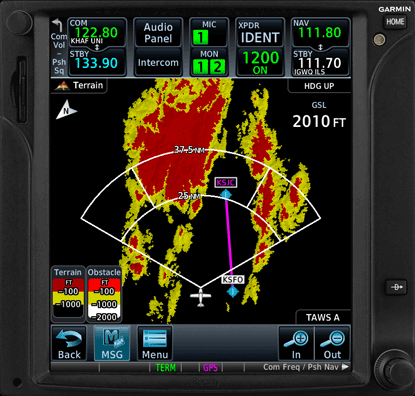
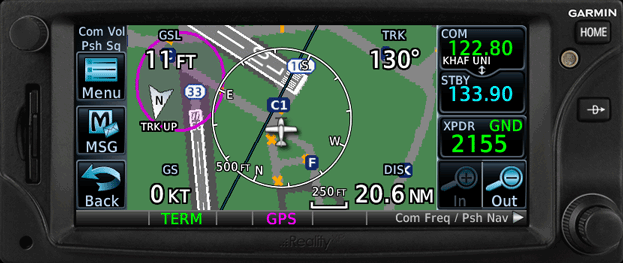
Join the conversationPrepare yourself to embrace the Ultimate Glass Cockpit Upgrade, with our upcoming
simulation of the Garmin G500/G600 PFD/MFD for Prepar3D, Flight Simulator and XPlane.