

ASSISTENZA -23%

VENTOLE-E-DISSIPAZIONE-INTERNA -4%






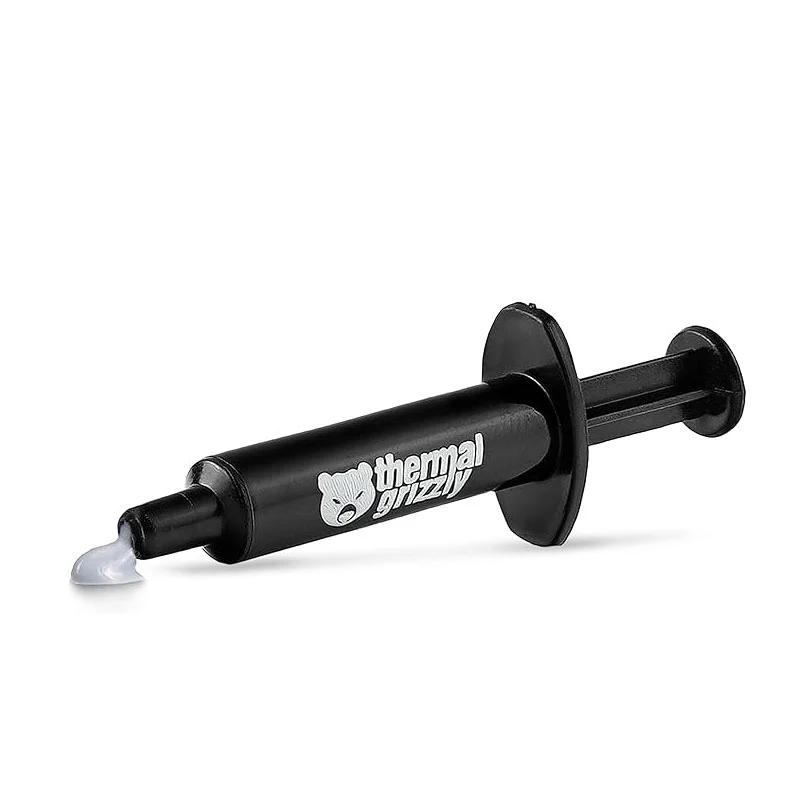
VENTOLE-E-DISSIPAZIONE-INTERNA -4%


 LICENZA Windows 11 PROFESSIONAL - Sticker + DvD
Nel tuo PC troverai installato e aggiornato:
Microsoft windows 11 pro - licenza ufficiale. Sticker adesivo COA.
Licenza a vita, riattivabile in caso di formattazione. Valida per 1 solo pc.
Questo prodotto contiene esclusivamente il codice di
attivazione stampato su
una Etichetta con Secure
Code da grattare per la rivelazione del codice. Il prodotto non contiene
Supporto Multimediale
Il prodotto è protetto da garanzia a vita, che consente
ove necessario, la sostituzione del prodotto nel caso in cui i
nostri tecnici non riescano ad
individuare il problema entro 6 ore dallapertura della
segnalazione.
Requisiti di Sistema:
Processore: 1 gigahertz
(GHz) o superiore
RAM: 4 GB
Spazio su disco rigido:16
GB per sistemi a 32 bit, 20 GB per sistemi a 64 bit
Scheda video: DirectX 12 o
versioni successive
Display:720p
The primary cause of seasonal unemployment lies in the biological and social calendars that govern human activity. Agriculture is the classic example: migrant farmworkers labor intensely during the summer and autumn harvests but face widespread layoffs in the winter. Similarly, the tourism industry creates employment booms in coastal regions during summer or in ski resorts during winter, only to shed workers during "mud seasons." Even retail and logistics, which surge with temporary holiday workers in November and December, see a sharp contraction in January. These shifts are neither mysterious nor malicious; they are the direct result of demand that literally freezes, thaws, or blooms with the seasons.
Mitigating the harm of seasonal unemployment requires a dual strategy of adaptation and structural support. On the individual level, financial literacy and savings programs are essential, but they are not enough. On the policy level, governments can intervene by subsidizing "off-season" retraining programs, offering wage insurance for workers who move between seasonal roles, and reforming unemployment benefits to recognize the legitimacy of seasonal work. Some regions have successfully promoted "shoulder season" tourism—events in the spring or fall that extend the employment window. Others have invested in industries that operate counter-cyclically to tourism, such as indoor manufacturing or remote digital work.
Critics argue that seasonal unemployment is not a "real" economic problem, because it is predictable. They contend that rational workers should save during peak seasons or find supplementary winter work. However, this perspective ignores structural barriers. In many rural or tourist-dependent towns, there are simply no off-season jobs to transition into. A crab fisherman in Alaska cannot easily become an accountant in December if no local accounting firm is hiring. Moreover, unemployment insurance systems in many countries penalize seasonal workers with waiting periods or reduced benefits, assuming that their joblessness is voluntary. This creates a cruel paradox: the most predictable unemployment is often the least supported.
The consequences of this phenomenon are more severe than the term "seasonal" suggests. For workers, it creates a cycle of financial precarity. A lifeguard or a Christmas tree salesman may earn a full year’s worth of expenses in just a few months, but without careful financial planning, they face a period of zero income. This instability makes it difficult to secure mortgages, pay for consistent childcare, or maintain health insurance. Furthermore, workers in seasonal industries often lack the bargaining power to demand unemployment benefits or severance packages, as employers can easily replace them with the next wave of seasonal applicants. Consequently, many seasonal workers fall into a trap of low-wage, temporary work, unable to accumulate savings or skills for year-round employment.
In conclusion, seasonal unemployment is a mirror reflecting the enduring power of nature and tradition over modern market forces. It is not a failure of capitalism, but rather a feature of an economy still tied to the sun, the soil, and the calendar. To dismiss it as minor is to ignore the millions of workers who face predictable poverty every year. By acknowledging that predictable unemployment is still unemployment, societies can move beyond the false comfort of "it happens every year" toward policies that provide real stability. After all, just because a storm arrives every winter does not mean we should stop building shelters.
