Stitch Data Access

Stitching data refers to the process of combining or joining multiple datasets from different sources into a single, unified dataset. The goal is to create a complete view by linking records that belong to the same entity (e.g., customer, product, transaction) across systems.

SELECT * FROM table_a a LEFT JOIN table_b b ON a.email = b.email OR a.phone = b.phone ⚠️ Be careful with OR – it can cause record multiplication. For complex cases (anonymous + logged-in users), build a mapping table.

SELECT * FROM crm_table c JOIN transactions t ON c.user_id = t.user_id (OR logic) If one key fails, use another.

CREATE TABLE id_mapping AS SELECT anonymous_id, user_id, MIN(first_seen_at) AS first_seen FROM events WHERE user_id IS NOT NULL GROUP BY anonymous_id, user_id;

df_crm['email'] = df_crm['email'].str.lower().str.strip() df_support['email'] = df_support['email'].str.lower().str.strip() A. Simple Join (Deterministic) Use when you have a perfect matching key.

How to Translate from Arabic to Tamil


If you're having trouble translating your text from one language to another using translationly, then you can follow these steps to translate your text perfectly.

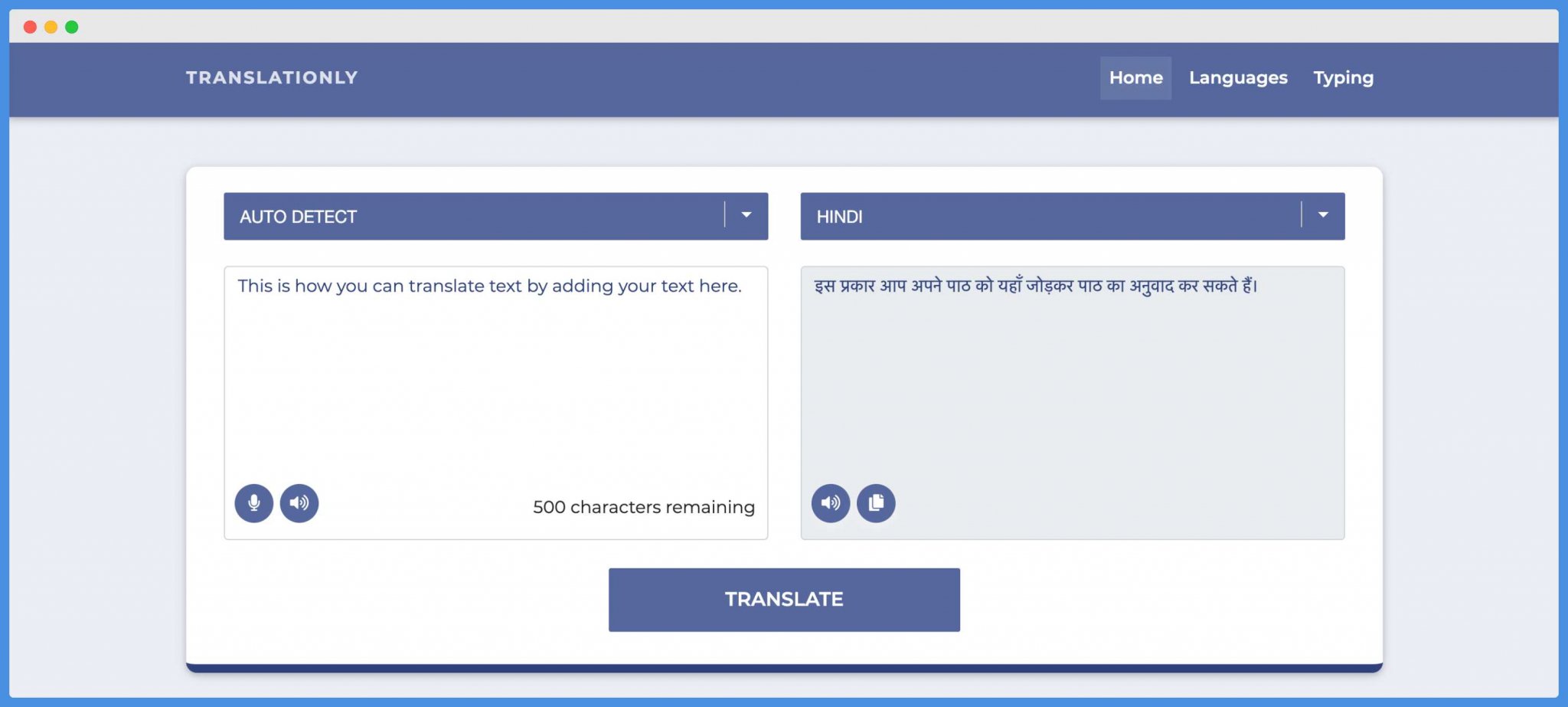
To translate your text, first of all, you've to choose the "Arabic as input language" and "Tamil as output language" in translationly. You can also check our supported languages for translation here.
stitch data

Once you've chosen the "input" and "output" language, enter your text to be translated in the first box, or the input box (We recommend the text you want to translate must be the plain text for better translation).

stitch data

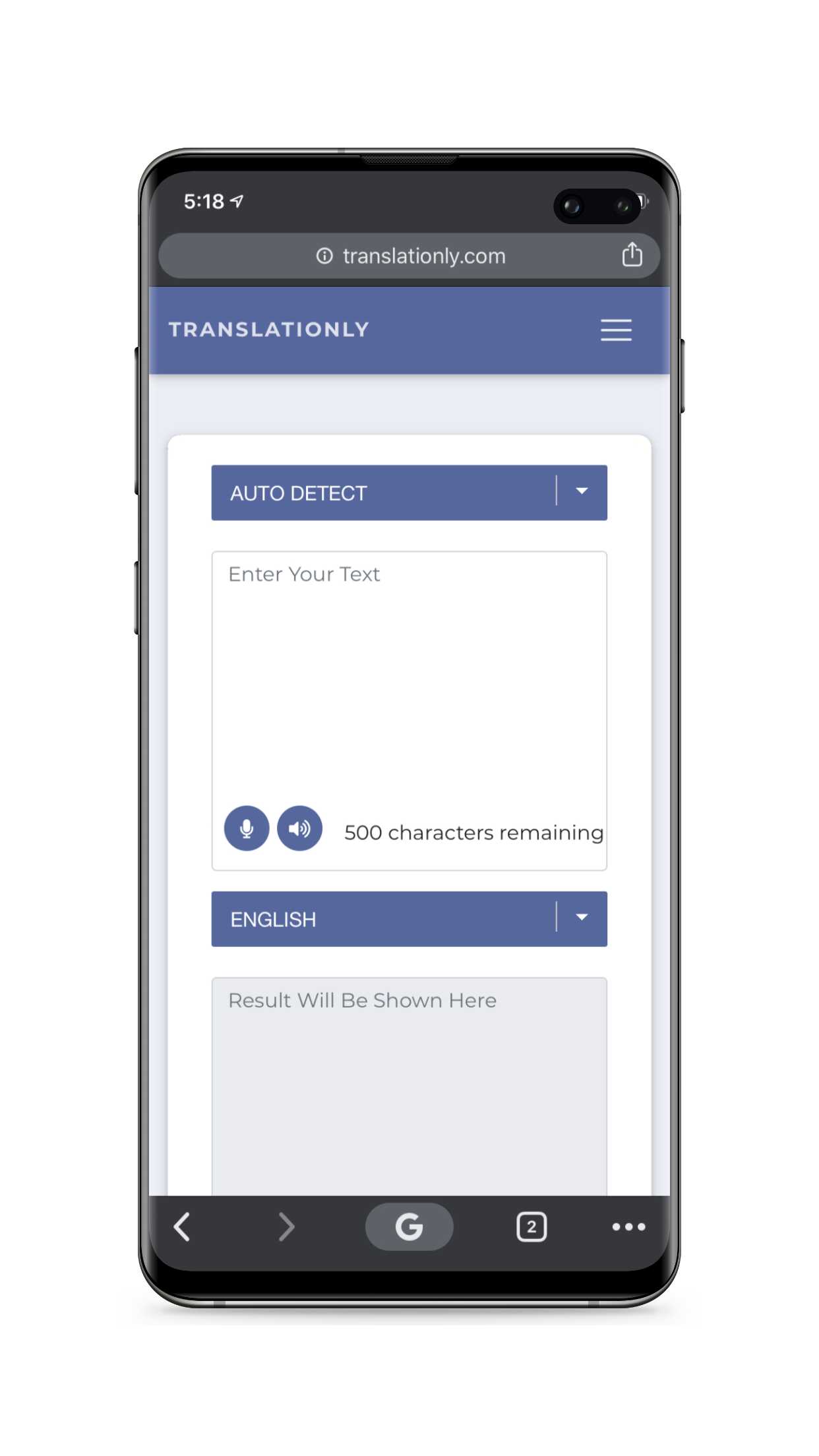
Once you have entered the text which is to be translated in the input box, click on the "Translate" button, and you'll get the output of translated text in your preferred language.

stitch data

Not enough?

Use our App

The App is free and easy to use with all the functionality of Translationly.

100+ languages to choose from

Our impressive flexibility of multilingual language translation is what make it more impressive.

Talk to write

Save your time and hassle to write. Just speak and our AI will write for you. stitch data

Fully Responsive

A website designed to be used on any kind of platform available. No worries for browser compatibility.

100+ Typing Languages

Not only we translate to different language. We also provide you with the facility to write your native vocabulary in any language and convert it to yours native. Stitching data refers to the process of combining

API Available

Want to use tranlationly to translate content of your website or to traslate your blog post as you write? Use our API.

One for All

One API for all the features to use on your website. For complex cases (anonymous + logged-in users), build

Easy to use & customize

Our API Feature is much easy to use and highly customization as per your need.

Stitching data refers to the process of combining or joining multiple datasets from different sources into a single, unified dataset. The goal is to create a complete view by linking records that belong to the same entity (e.g., customer, product, transaction) across systems.

SELECT * FROM table_a a LEFT JOIN table_b b ON a.email = b.email OR a.phone = b.phone ⚠️ Be careful with OR – it can cause record multiplication. For complex cases (anonymous + logged-in users), build a mapping table.

SELECT * FROM crm_table c JOIN transactions t ON c.user_id = t.user_id (OR logic) If one key fails, use another.

CREATE TABLE id_mapping AS SELECT anonymous_id, user_id, MIN(first_seen_at) AS first_seen FROM events WHERE user_id IS NOT NULL GROUP BY anonymous_id, user_id;

df_crm['email'] = df_crm['email'].str.lower().str.strip() df_support['email'] = df_support['email'].str.lower().str.strip() A. Simple Join (Deterministic) Use when you have a perfect matching key.

stitch data