And now you can stop right-clicking the desktop and clicking “Refresh” like it’s 1998. Have a different keyboard shortcut question? Drop it in the comments below – and yes, Ctrl + Z will always be Undo.
Spoiler alert:
If you’ve just switched from a smartphone to a PC, or you’re new to Windows, you might have found yourself staring at your keyboard looking for a physical key labeled “Refresh.”
But don’t worry—your keyboard can refresh. You just need to know the secret handshake. The Refresh button is not a dedicated key. Instead, it’s a keyboard shortcut : Press F5 That’s it. On Windows, the F5 key is the universal “refresh” command. In your web browser, on your desktop, or in File Explorer— F5 will reload or redraw the current view. What About Mac? If you’re using a Mac keyboard, the classic refresh shortcut is: Command (⌘) + R (Some Macs also use Fn + F5 depending on your settings, but Cmd + R is the standard.) Where Did This Come From? The F5 key dates back to early versions of Windows and IBM’s Common User Access standards. Developers needed a quick way to reload a window without reaching for the mouse, and the function keys were already reserved for software commands. F5 stuck.
MASSAGE
SEND
×The message has been sent!
In the near future we will reply to you.
Regards WDS
|
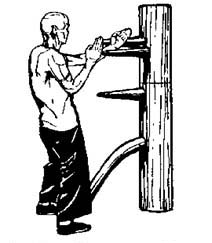
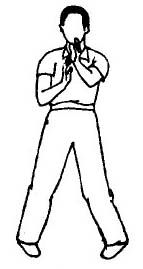
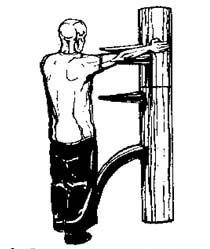
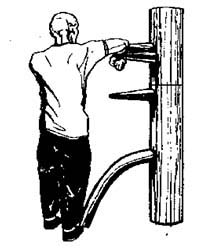
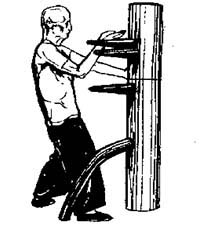
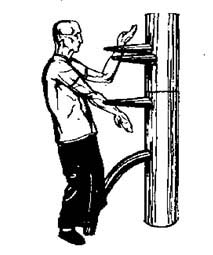
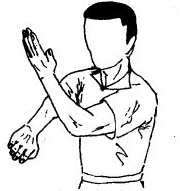
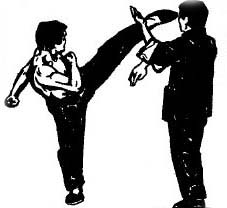
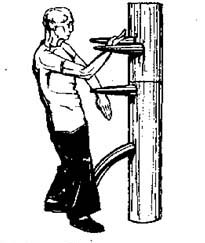
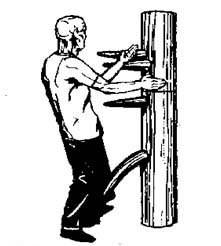
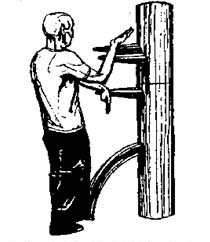
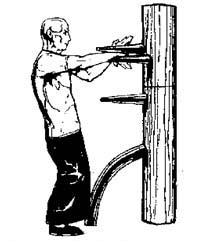
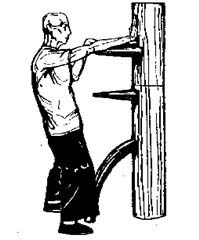
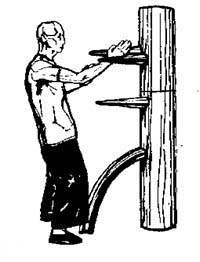
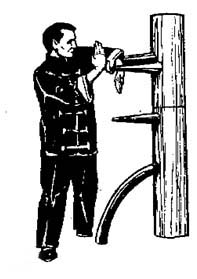
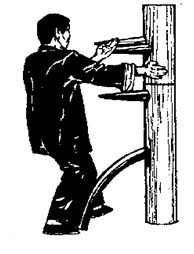
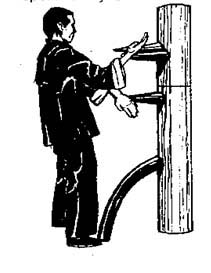
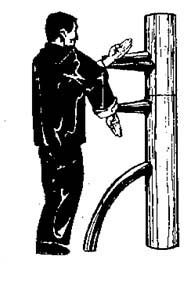
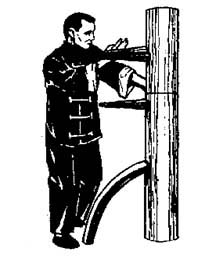
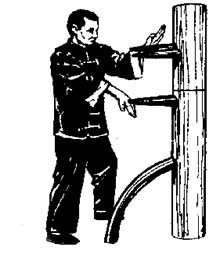
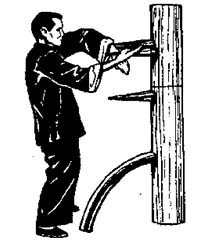
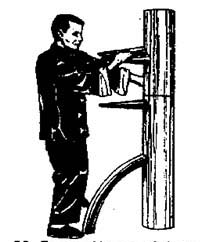
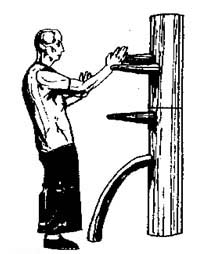
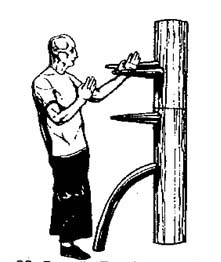
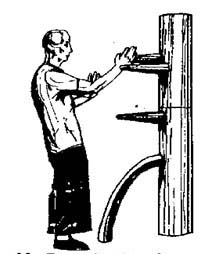
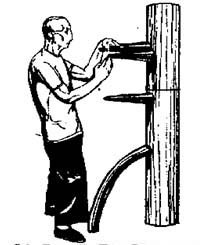
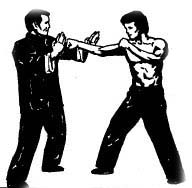
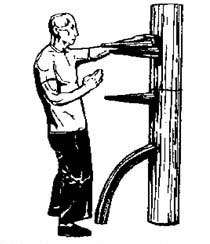
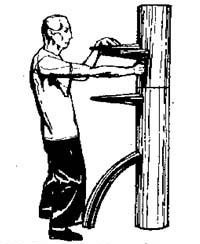
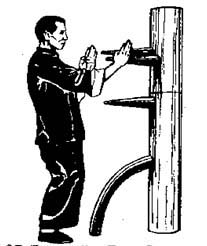
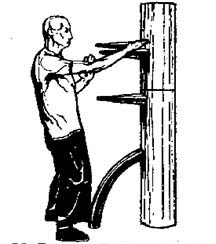
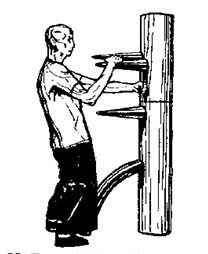
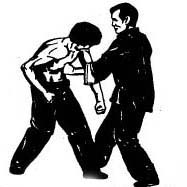
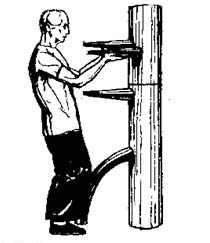
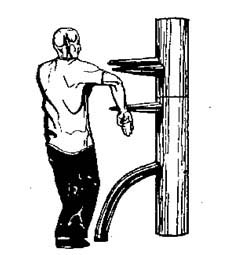
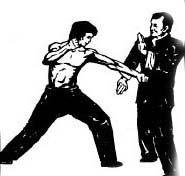
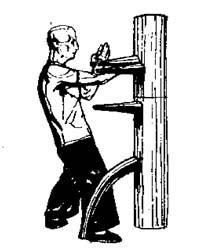
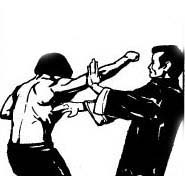
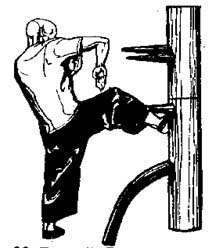
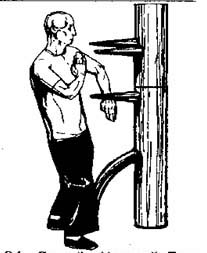
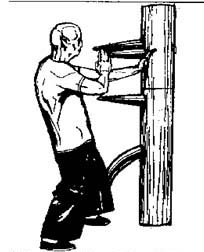
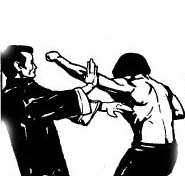
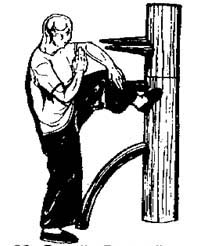
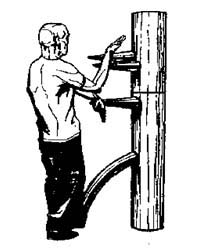
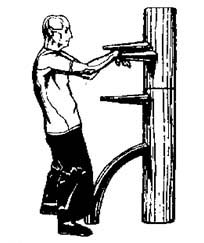
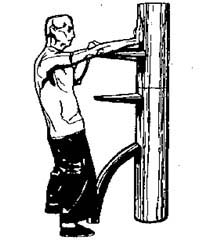
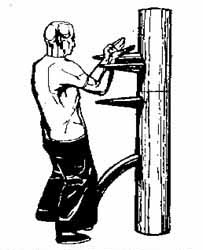
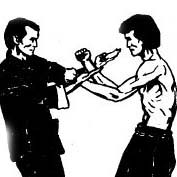
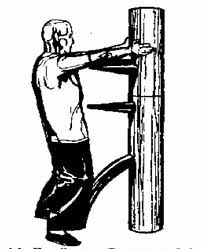
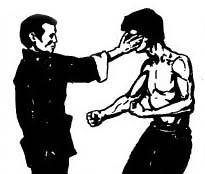
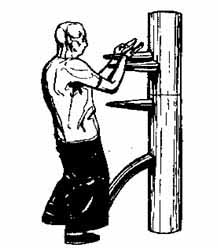
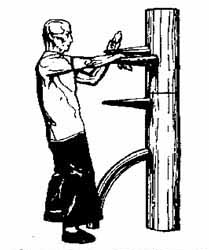
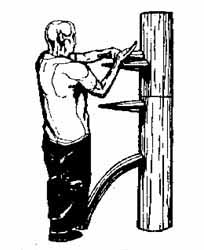
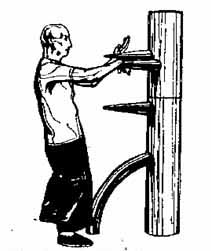
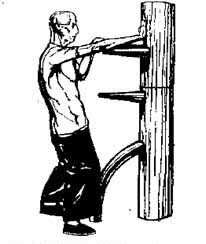
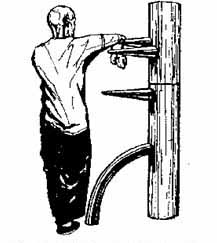
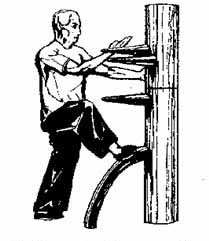
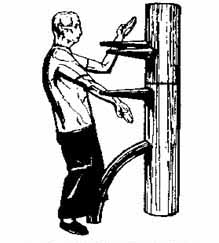
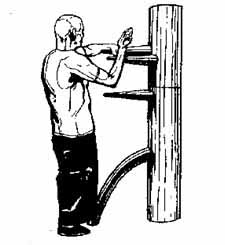
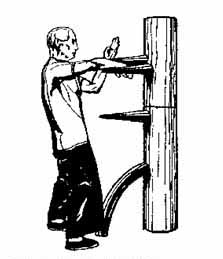
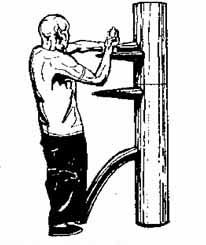
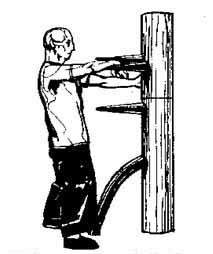
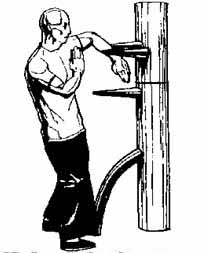
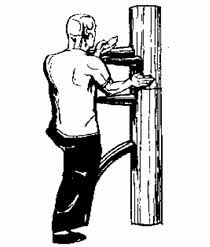
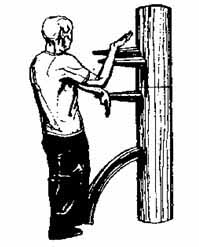
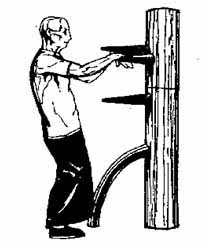
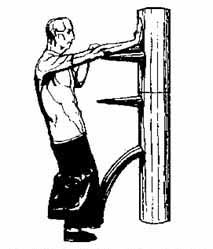
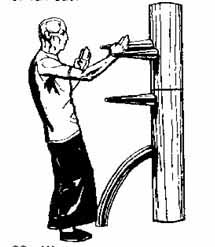
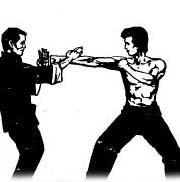
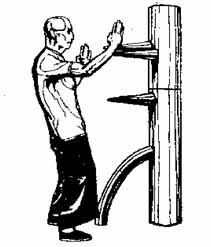
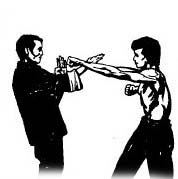
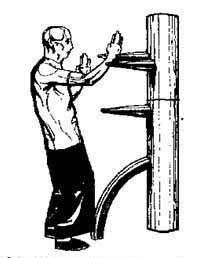
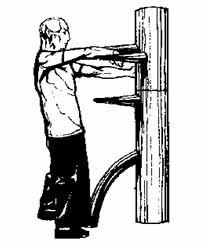
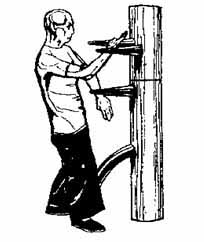
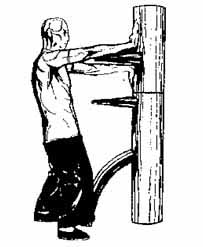
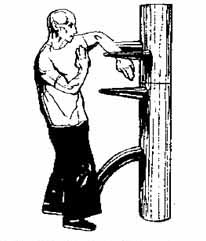
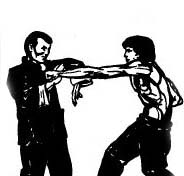
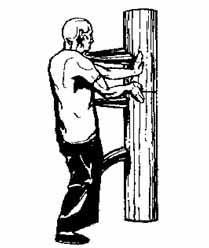
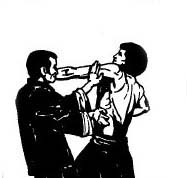
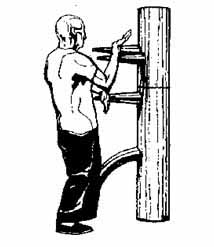
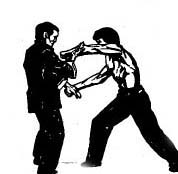
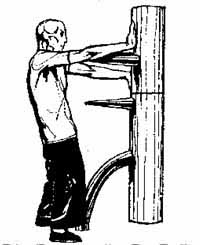
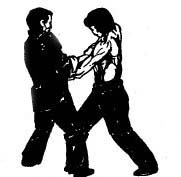
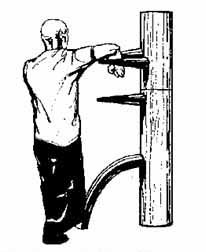
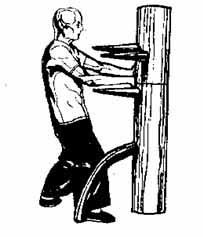
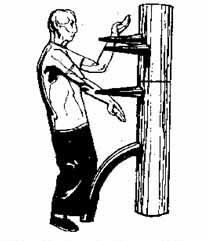
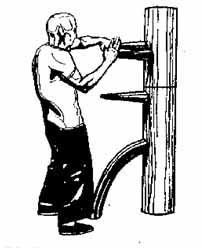
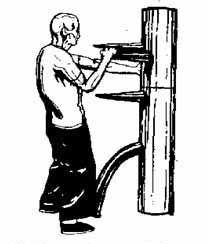
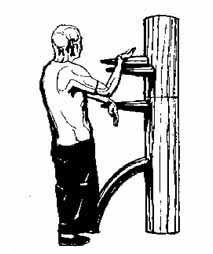
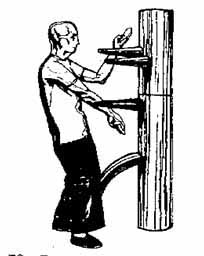
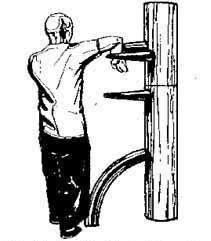
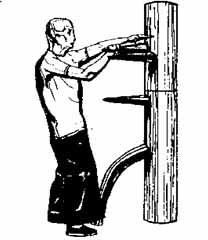
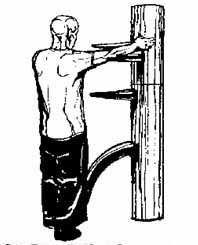
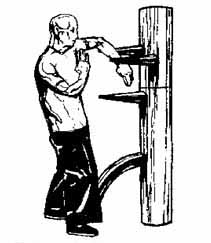
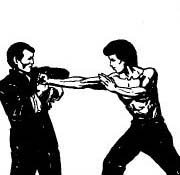
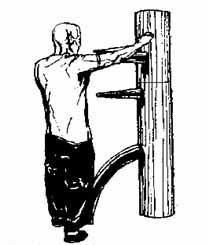
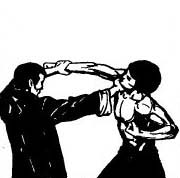
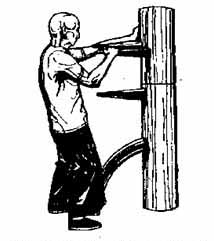
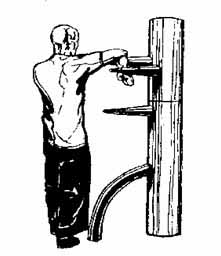
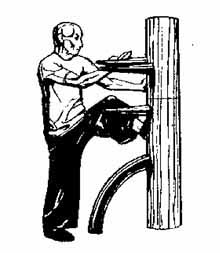
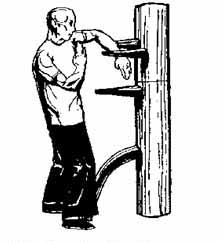
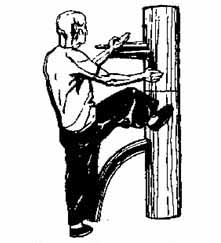
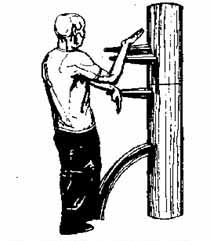
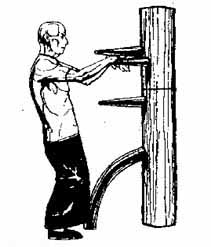
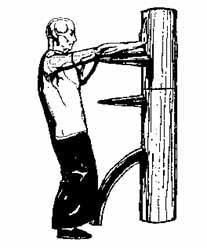
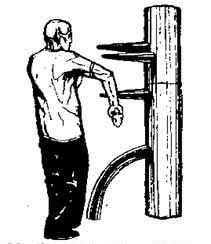
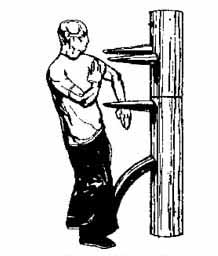
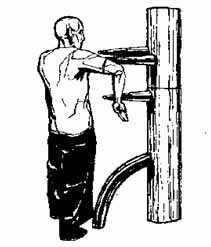
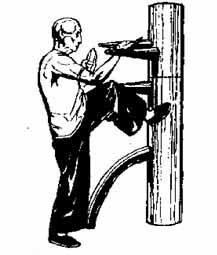
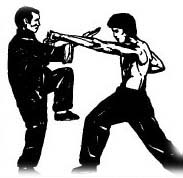
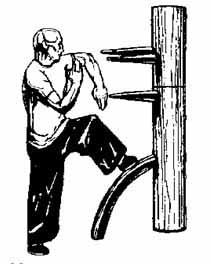
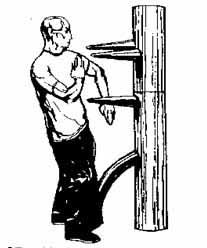
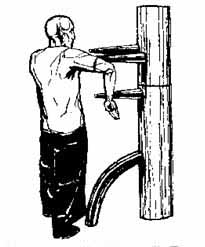
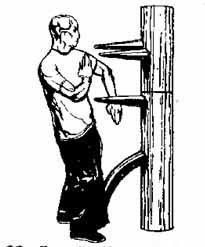
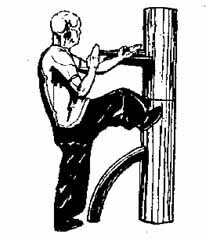
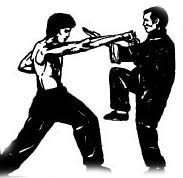
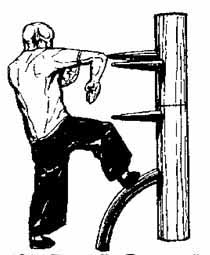
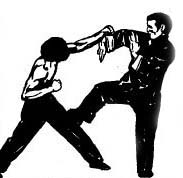
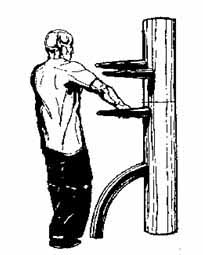
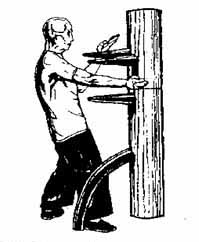
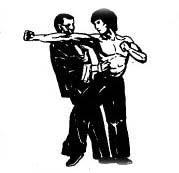
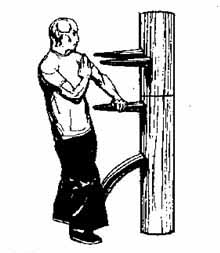
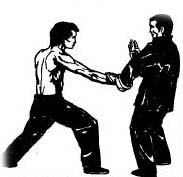
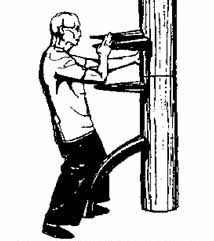
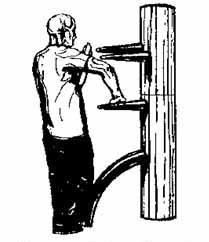
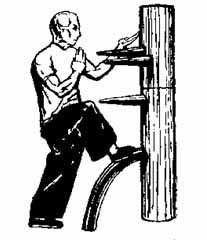
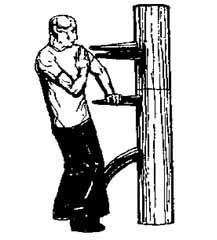
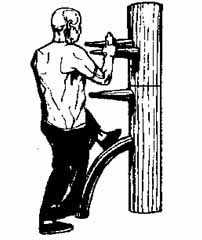
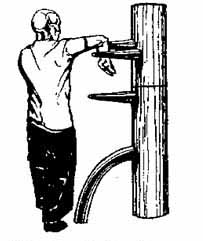
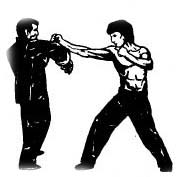
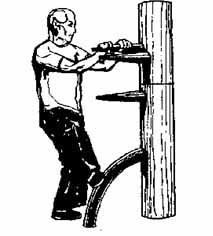
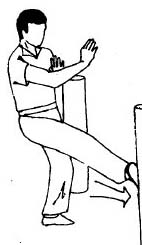
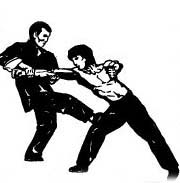
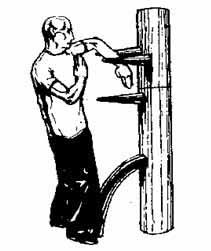
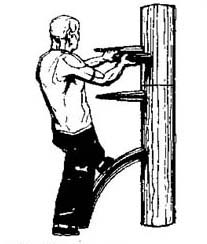
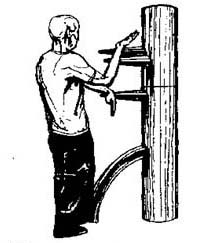
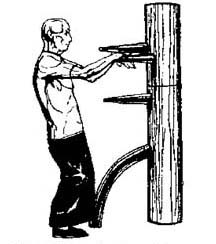
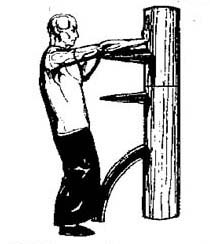
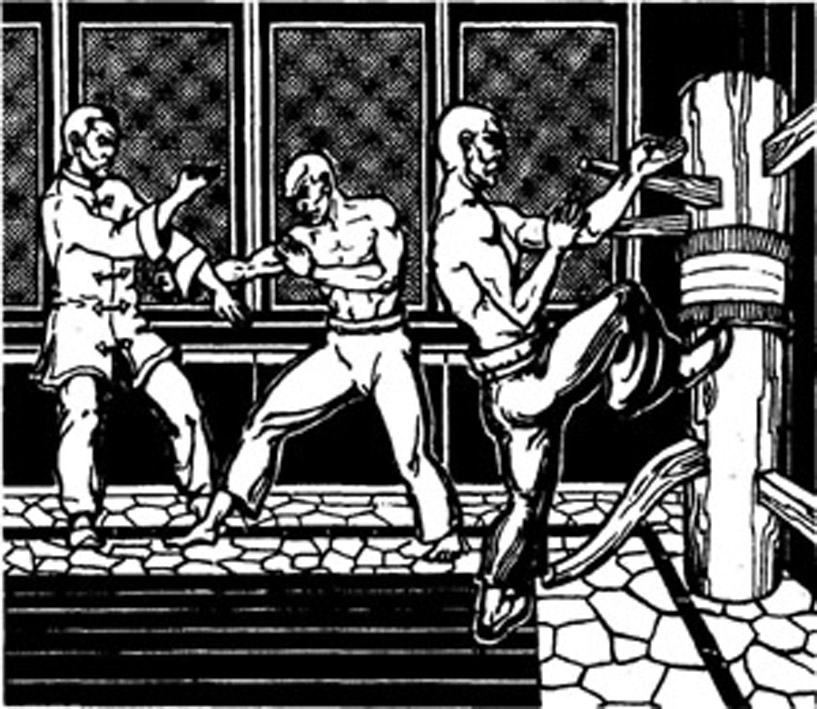
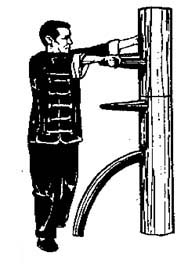
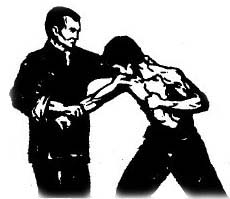
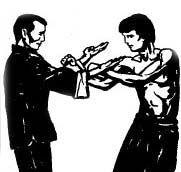
The Dummy - a versatile design, the system of life and knowledge generated of nowhere. The story of the dummy requires a separate investigation and treatment of the ancient treatises, and primary sources. But enough evidence to suggest that the history of a WD the longer of Wing Chun history as an independent style. Will there be a dummy to before create a Wing Chun or Wing Chun has appeared before - difficult to resolve the problem, which requires special studies.
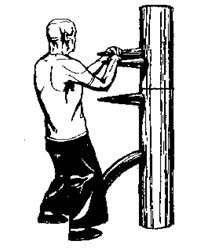
|
| SECTION 1 | ||
![]() |
![]() |
![]() |
![]() |
![]() |
![]() |
![]() |
![]() |
![]() |
![]() |
![]() ![]() |
![]() |
![]() |
![]() |
![]() |
![]() |
![]() ![]() |
![]() |
![]() |
![]() ![]() |
![]() |
![]() |
![]() |
![]() |
![]() |
![]() |
![]() |
![]() |
![]() |
![]() |
| SECTION 2 | ||
![]() |
![]() |
![]() |
![]() |
![]() |
![]() |
![]() |
![]() |
![]() |
![]() |
![]() ![]() |
![]() |
![]() |
![]() |
![]() |
![]() |
![]() ![]() |
![]() |
![]() |
![]() ![]() |
![]() |
![]() |
![]() |
![]() |
![]() |
![]() |
![]() |
![]() |
![]() |
![]() |
| SECTION 3 | ||
![]() |
![]() |
![]() |
![]() |
![]() |
![]() |
![]() |
![]() |
![]() |
![]() |
![]() |
![]() |
![]() |
![]() |
![]() |
![]() |
![]() ![]() |
![]() |
![]() |
![]() |
![]() |
![]() |
![]() |
![]() |
![]() |
![]() ![]() |
![]() |
![]() |
||
| SECTION 4 | ||
![]() |
![]() |
![]() |
![]() |
![]() |
![]() |
![]() |
![]() |
![]() |
![]() |
![]() |
![]() |
![]() |
![]() ![]() |
![]() |
![]() |
![]() |
![]() |
![]() |
![]() |
![]() |
![]() |
![]() |
![]() |
![]() |
![]() |
![]() |
| SECTION 5 | ||
![]() |
![]() ![]() |
![]() |
![]() |
![]() ![]() |
![]() |
![]() |
![]() ![]() |
![]() |
![]() |
![]() ![]() |
![]() |
![]() |
![]() ![]() |
![]() |
![]() |
![]() ![]() |
![]() |
![]() |
![]() |
![]() |
![]() |
![]() |
![]() |
![]() |
![]() |
![]() |
![]() |
![]() |
![]() |
![]() |
![]() |
![]() |
![]() |
![]() |
![]() |
![]() |
![]() |
![]() |
![]() |
![]() |
![]() |
![]() |
![]() |
![]() |
![]() |
![]() |
![]() |
![]() |
![]() ![]() |
![]() |
![]() |
![]() |
![]() |
![]() |
![]() ![]() |
![]() |
![]() |
![]() |
![]() |
![]() |
![]() |
![]() |
![]() |
![]() |
![]() |
| SECTION 6 | ||
![]() |
![]() |
![]() |
![]() |
![]() |
![]() |
![]() |
![]()
|
![]() |
![]() |
![]() |
![]() |
![]() |
![]() |
![]() |
![]() |
![]() ![]() |
![]() |
![]() |
![]() |
![]() |
![]() |
![]() ![]()
|
![]() |
![]() |
![]() |
![]() |
![]() |
![]() ![]()
|
![]() |
![]() |
![]() |
![]() |
![]() |
![]() ![]()
|
![]() |
![]() |
![]() |
![]() |
![]() |
![]() |
![]() |
![]() |
![]() |
![]() |
| SECTION 7 | ||
![]() |
![]() |
![]() |
![]() |
![]() |
![]() |
![]() |
![]() |
![]() |
![]() |
![]() ![]() |
![]() |
![]() |
![]() |
![]() |
![]() |
![]() |
![]() |
![]() |
![]() ![]() |
![]() |
![]() |
![]() |
![]() |
![]() |
![]() |
![]() |
![]() |
![]() ![]() |
![]() |
![]() |
![]() |
![]() |
![]() |
![]() ![]() |
![]() |
![]() |
![]() |
![]() |
![]() |
![]() |
![]() |
![]() |
![]() |
![]() |
| SECTION 8 | ||
![]() |
![]() |
![]() |
![]() |
![]() |
![]() |
![]() |
![]() |
![]() |
![]() |
![]() ![]() |
![]() |
![]() |
![]() |
![]() |
![]() |
![]() |
![]() |
![]() |
![]() |
![]() |
![]() |
![]() |
![]() |
![]() |
![]() ![]() |
![]() |
![]() |
![]() |
![]() |
![]() |
![]() |
![]() |
![]() |
![]() ![]() |
![]() |
![]() |
![]() |
![]() |
![]() |
![]() ![]() |
![]() |
![]() |
![]() |
![]() |
![]() |
![]() ![]() |
![]() |
![]() |
![]() |
![]() |
![]() |
![]() ![]() |
![]() |
![]() |
![]() |
![]() |
![]() |
![]() ![]() |
![]() |
![]() |
![]() |
![]() |
![]() |
![]() |
![]() |
![]() |
![]() |
![]() |
![]() |
![]() |
![]() |
![]() |
![]() |
![]() |
And now you can stop right-clicking the desktop and clicking “Refresh” like it’s 1998. Have a different keyboard shortcut question? Drop it in the comments below – and yes, Ctrl + Z will always be Undo.
Spoiler alert:
If you’ve just switched from a smartphone to a PC, or you’re new to Windows, you might have found yourself staring at your keyboard looking for a physical key labeled “Refresh.” what is refresh button on keyboard
But don’t worry—your keyboard can refresh. You just need to know the secret handshake. The Refresh button is not a dedicated key. Instead, it’s a keyboard shortcut : Press F5 That’s it. On Windows, the F5 key is the universal “refresh” command. In your web browser, on your desktop, or in File Explorer— F5 will reload or redraw the current view. What About Mac? If you’re using a Mac keyboard, the classic refresh shortcut is: Command (⌘) + R (Some Macs also use Fn + F5 depending on your settings, but Cmd + R is the standard.) Where Did This Come From? The F5 key dates back to early versions of Windows and IBM’s Common User Access standards. Developers needed a quick way to reload a window without reaching for the mouse, and the function keys were already reserved for software commands. F5 stuck. And now you can stop right-clicking the desktop