
Windows Security Network Credentials ((hot)) -

2 people walking by the DN Series® 300 Lobby ATM

Redefining Efficiency with DN Series® 300 and 350

Meet the newest member of our DN Series Family, DN Series 300 and 350, powered by DM7V. With higher-capacity cassettes and the smallest footprint, it’s scalable, efficient and built for success.

Discover More
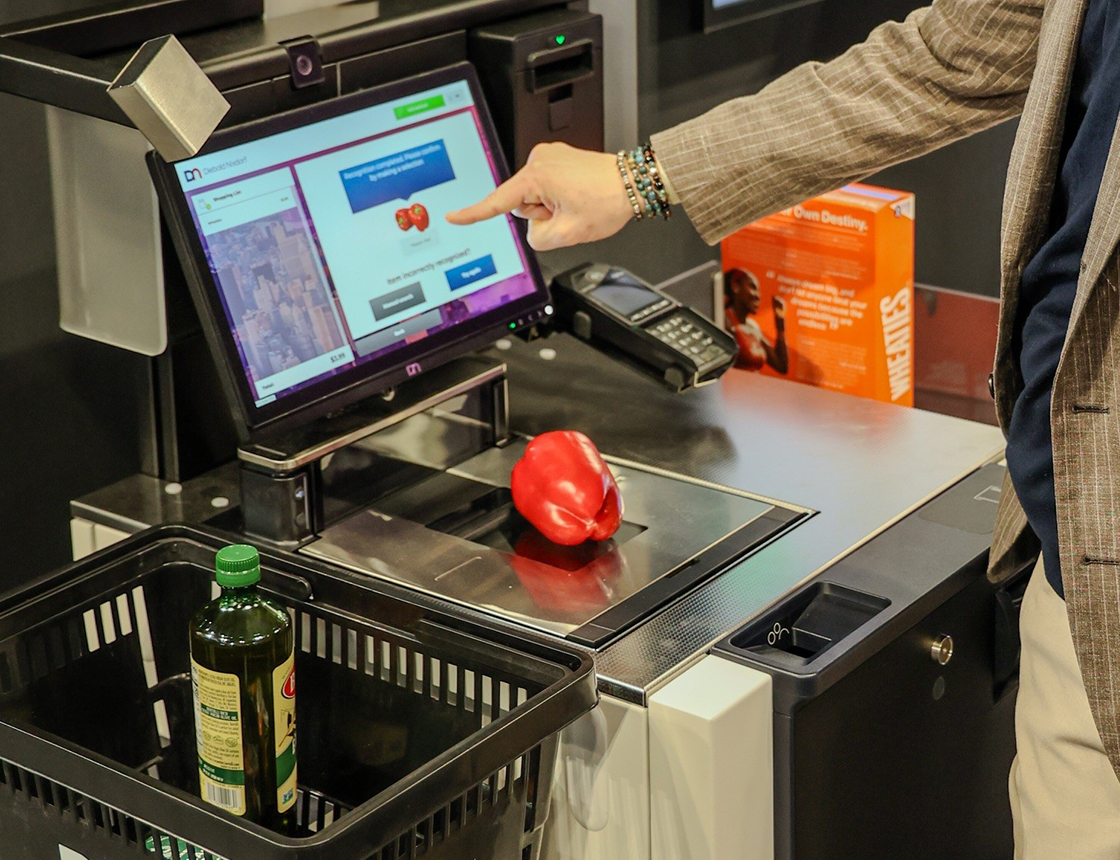
hand selecting a red pepper on self checkout screen

Boost Retail Efficiency with Smart AI Technology

Diebold Nixdorf's advanced artificial intelligent solutions empowers retailers to transform their stores. These solutions improve checkout speed, reduce shrink and enhance the customer experience.

Learn How
Lady holding tablet viewing DN's 2024 ESG Report

Diebold Nixdorf Committed to Driving Sustainability

Diebold Nixdorf’s ESG program reflects our commitment to sustainability, community impact, and ethical governance. Through energy efficiency projects, volunteer initiatives, and responsible business practices, we embed ESG principles globally. Read our latest ESG Report to learn more.

Learn More

Windows Security Network Credentials ((hot)) -

In the modern digital enterprise and home network, the ability to share resources seamlessly—printers, files, applications—is paramount. At the heart of this connectivity within the Windows ecosystem lies a critical, often misunderstood component: Windows Security Network Credentials . These credentials are not merely usernames and passwords; they represent the foundational authentication mechanism that governs trust, access control, and security across networked Windows machines. This essay explores the nature, function, management, and inherent security challenges of Windows network credentials, arguing that while they enable operational efficiency, they also form a primary attack surface requiring vigilant protection. The Nature and Function of Network Credentials Windows Network Credentials are a specialized set of authentication data (typically a username and password, but also smart card certificates or Microsoft account tokens) used specifically to verify a user's or service's identity when accessing resources on a different computer over a network. Unlike local login credentials, which authenticate a user to the local machine, network credentials are presented to a remote host's security authority—most commonly via the Security Support Provider Interface (SSPI) using protocols such as NTLM (NT LAN Manager) or Kerberos.

Let's Connect

I am interested in

Connect with Sales

  • Connect with Sales
  • CONNECT WITH GLOBAL SECURITY
  • Current Customer Support
Go