Discover Sublime
October 2, 2025

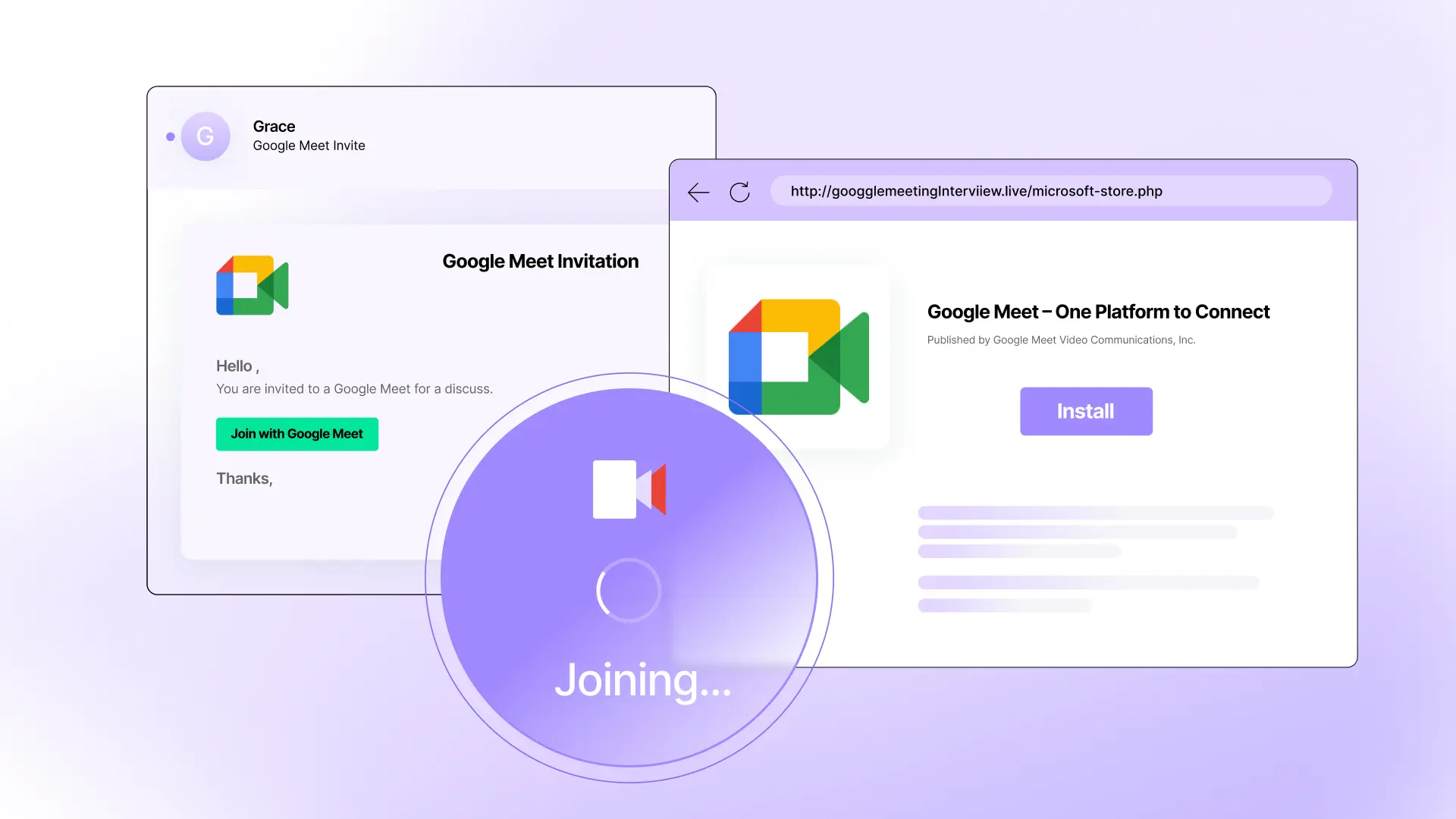
A variety of malicious payloads delivered through similar fake invitations
The “Yuzu IPA” compounded this problem because iOS devices lack a native cartridge slot. While a desktop user could theoretically dump a game cartridge using a specialized USB accessory, an iPhone user cannot. Thus, any use of Yuzu on iOS necessarily involved downloading decrypted ROM files from the internet—clear copyright infringement. In February 2024, Nintendo filed a lawsuit against Tropic Haze LLC, the developer of Yuzu, alleging not just contributory infringement but “circumvention of technological measures” under the Digital Millennium Copyright Act (DMCA).
Nintendo, known for its aggressive legal defense of intellectual property, has historically tolerated emulators only as long as they strictly avoid facilitating piracy. The legal precedent set by Sony Computer Entertainment America, Inc. v. Bleem, LLC (2000) established that emulators themselves are legal if they contain no copyrighted code. However, Yuzu crossed a critical line that Bleem and other emulators did not.
Unlike the desktop version, which required relatively powerful x86 hardware, the iOS version aimed to leverage Apple’s custom silicon (starting with the A12 Bionic chip) to achieve playable performance. However, due to iOS’s strict sandboxing and lack of a just-in-time (JIT) compilation permission for third-party apps, the Yuzu IPA often performed poorly compared to its desktop counterpart. Its primary appeal was novelty: playing The Legend of Zelda: Tears of the Kingdom or Super Mario Odyssey natively on an iPhone, even with graphical glitches and low frame rates. yuzu ipa
In the landscape of modern video game emulation, few projects have generated as much excitement and controversy as Yuzu, the pioneering Nintendo Switch emulator for Windows, Linux, and Android. For years, Yuzu stood as a testament to open-source engineering, allowing players to experience Nintendo’s hybrid console games on PC with enhanced resolutions and performance. However, a specific offshoot of the project—often colloquially referred to as “Yuzu IPA”—represented a more legally precarious frontier: a version compiled for iOS devices (iPhone and iPad) that bypassed Apple’s restrictions. The development and subsequent legal takedown of Yuzu in 2024 sent shockwaves through the emulation community. This essay will explore the technical nature of Yuzu IPA, the legal arguments surrounding its distribution, and the broader implications for software preservation and intellectual property law.
For the iOS community, the Yuzu IPA’s demise highlighted the fragility of sideloading in Apple’s ecosystem. Without a JIT engine and with aggressive legal enforcement, high-performance emulation on iPhones remains a distant goal. The case also spurred interest in alternative legal emulators, such as Delta for older Nintendo systems, which have remained untouched by litigation due to their focus on long-discontinued hardware. The “Yuzu IPA” compounded this problem because iOS
The Rise and Fall of Yuzu IPA: Emulation, Piracy, and the Limits of Fair Use
The death of Yuzu had immediate consequences. The Android version of Yuzu was also discontinued, depriving devices like the Odin 2 of their best Switch emulator. However, the case did not establish a binding legal precedent because it was a settlement, not a judgment. As a result, other emulators like Ryujinx (for PC) continued operating, albeit more cautiously, until Nintendo later pressured Ryujinx into a similar shutdown in October 2024. In February 2024, Nintendo filed a lawsuit against
Yuzu IPA was more than just a technical curiosity; it was the flashpoint in a generational conflict over digital rights, ownership, and access. While its developers may have believed they were pushing the boundaries of software preservation, Nintendo successfully argued—through litigation—that enabling play of current-generation games on unlicensed devices, especially mobile phones, crosses the line into actionable piracy. The settlement that killed Yuzu serves as a warning: emulators that target living platforms, particularly those with no legitimate means of obtaining games on that platform, operate in a legal minefield. The Yuzu IPA is now a ghost in the machine, a reminder of what happens when emulation outpaces the law’s ability to adapt. For now, Nintendo’s victory stands, but the underlying desire to play console games on any device—iPhone included—will inevitably give rise to new projects, waiting for their own legal reckoning.
See how Sublime delivers autonomous protection by default, with control on demand.
.svg)